
Cultural.
There is a norm to 'push through' causes firefighters to downplay early injury signs and postpone reporting.
Real time health and environmental monitoring system for wildland firefighter safety.
A wearable intelligence ecosystem using sensor monitoring and machine learning predictive analysis to aid collective decision-making for wildland firefighters and incident commanders.
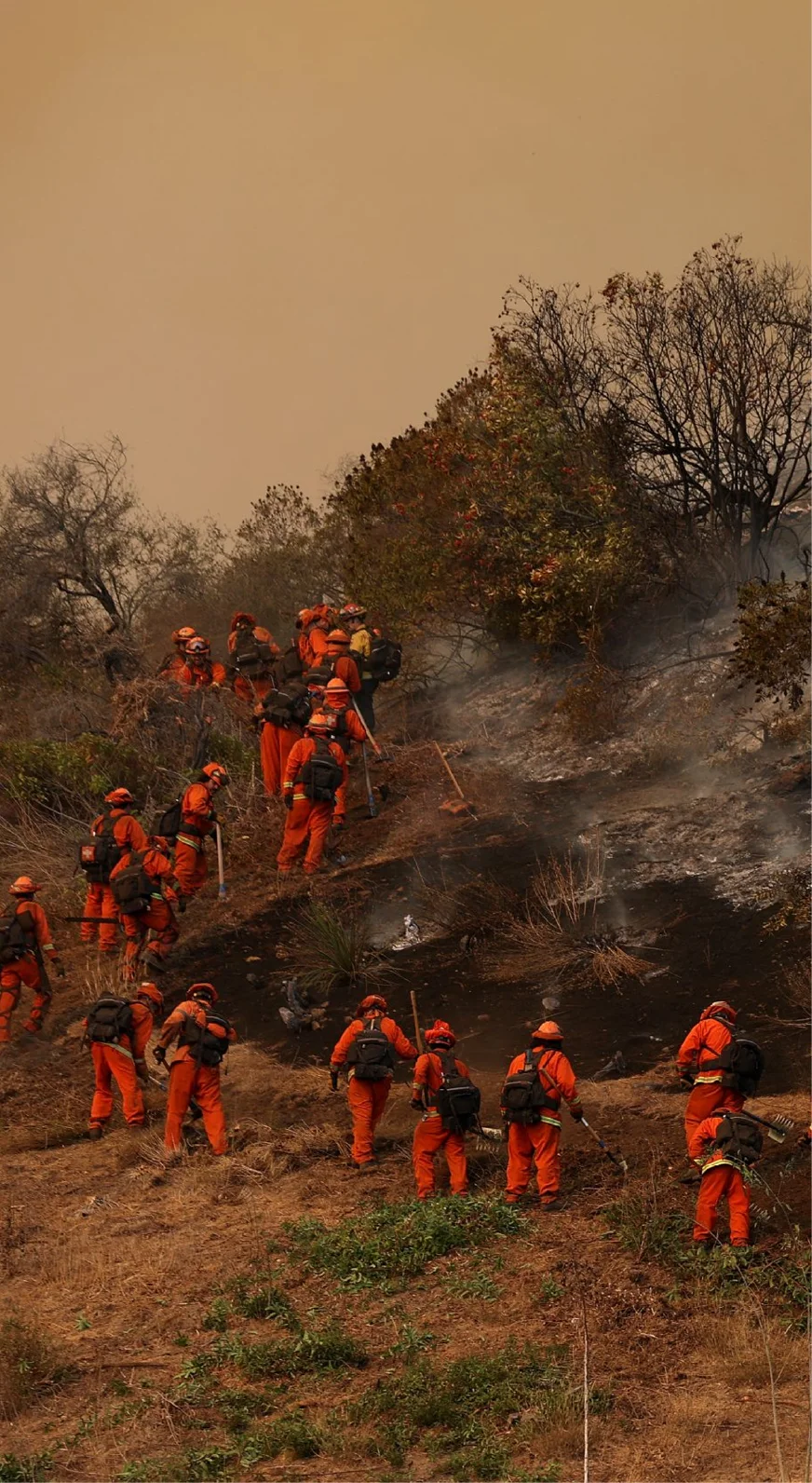
The U.S. averages 67,000 wildfires annually, pushing 34,000 firefighters into increasingly extreme conditions. Heat exhaustion, smoke inhalation, and carbon monoxide poisoning accumulate silently and no one knows a firefighter is in danger until they collapse.
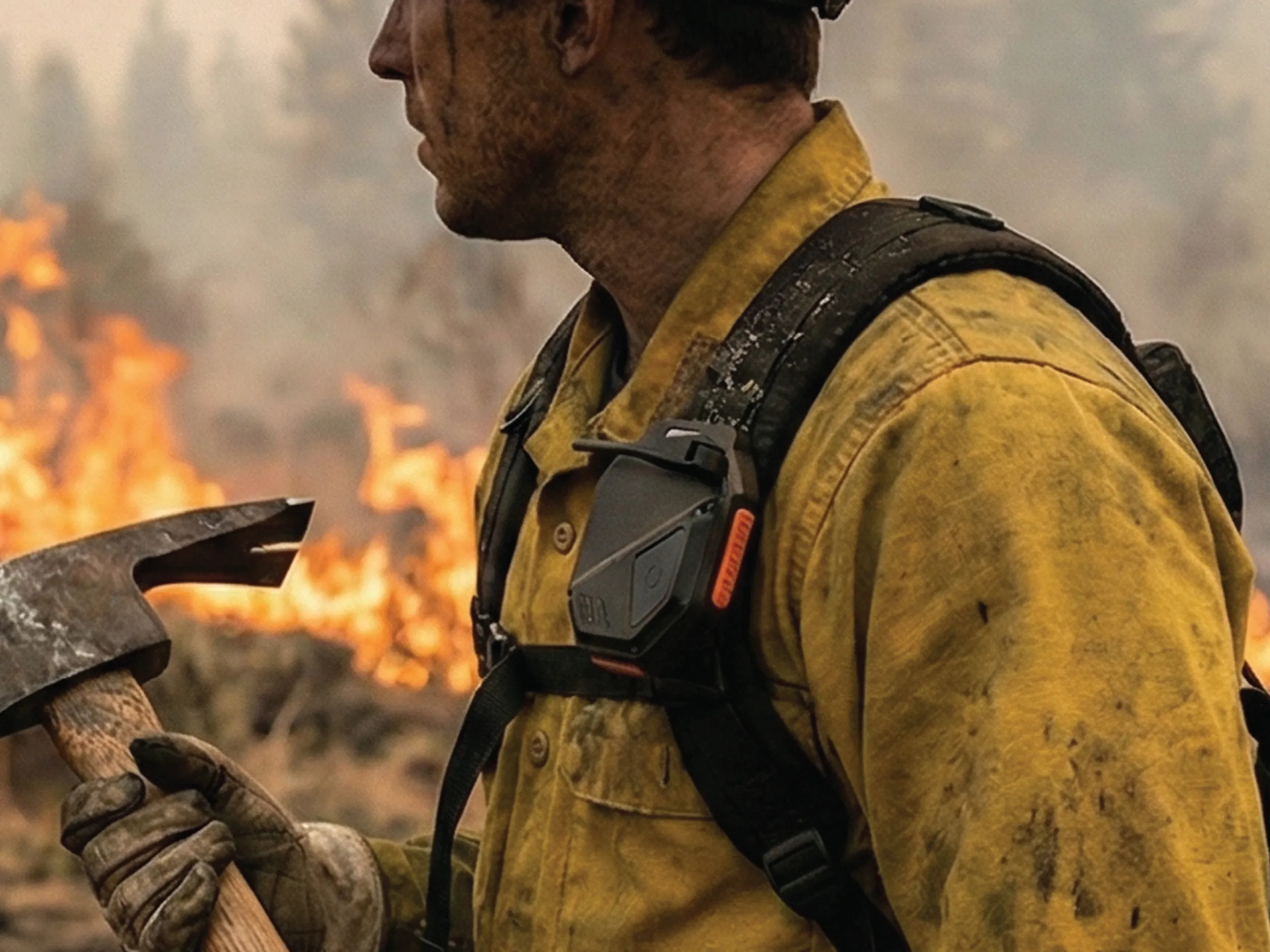
We designed a wearable system that monitors for firefighters on the fireline to track environmental and physiological data; and a unsupervised machine learning model to flag danger for incident commanders.
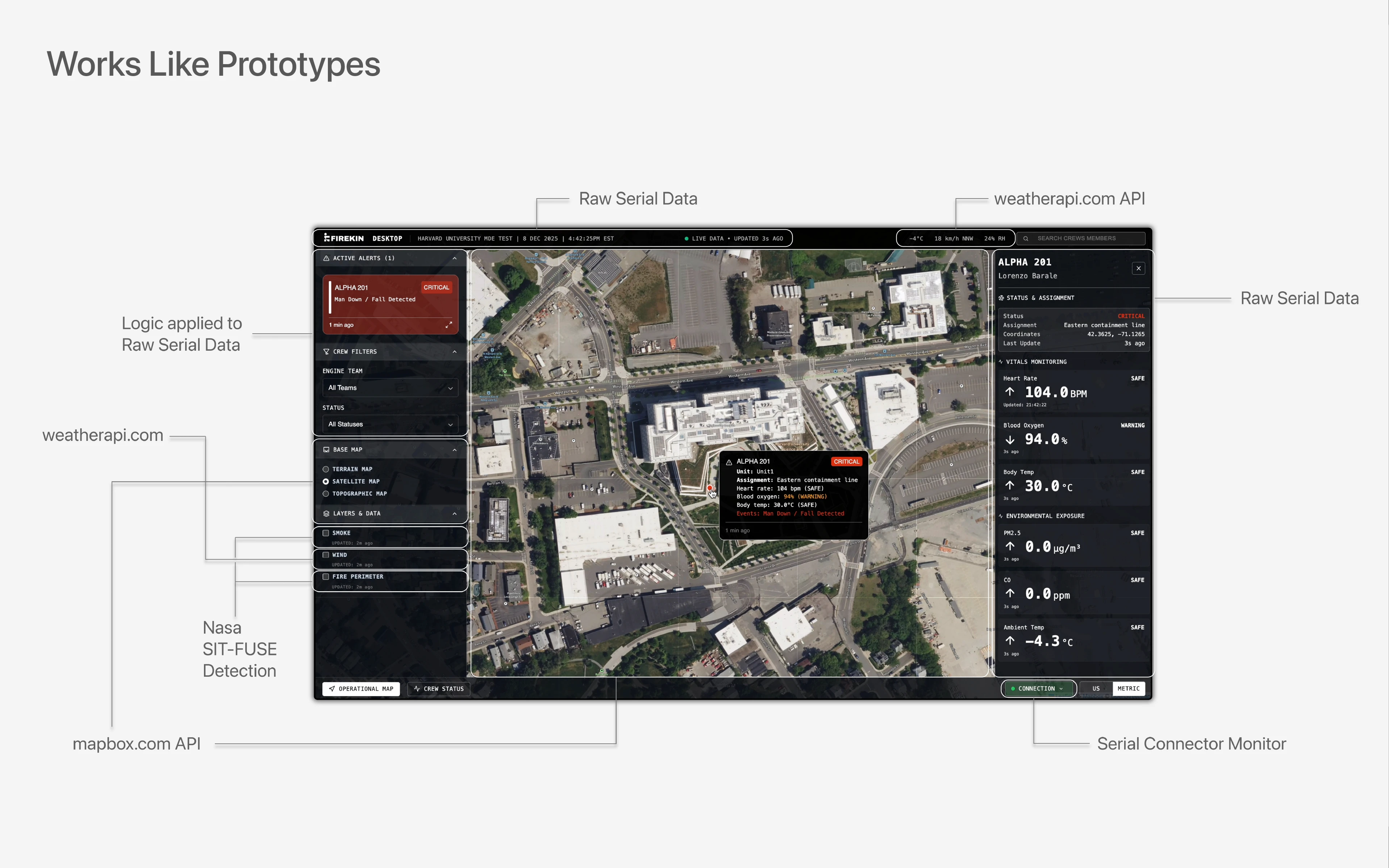
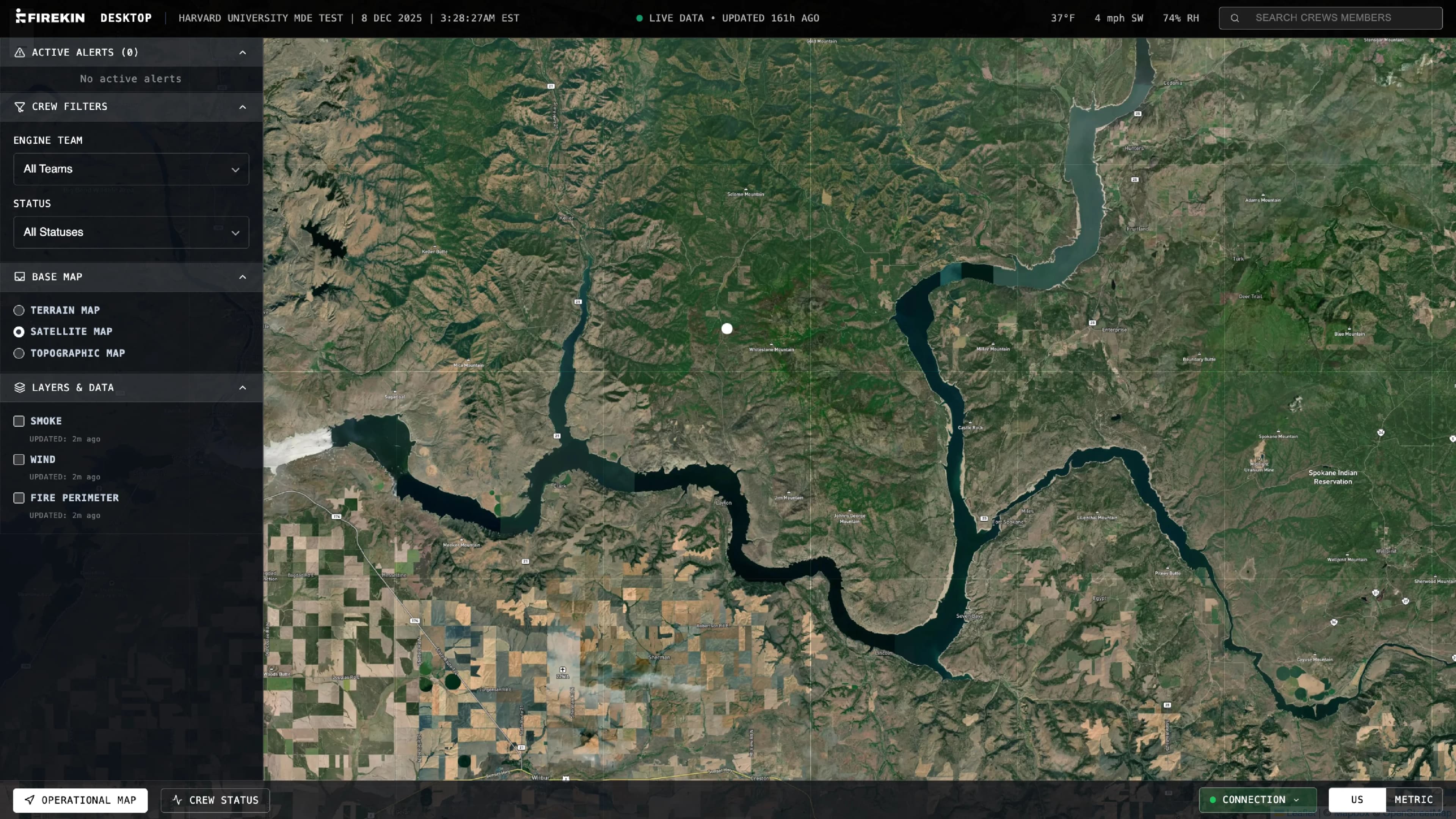
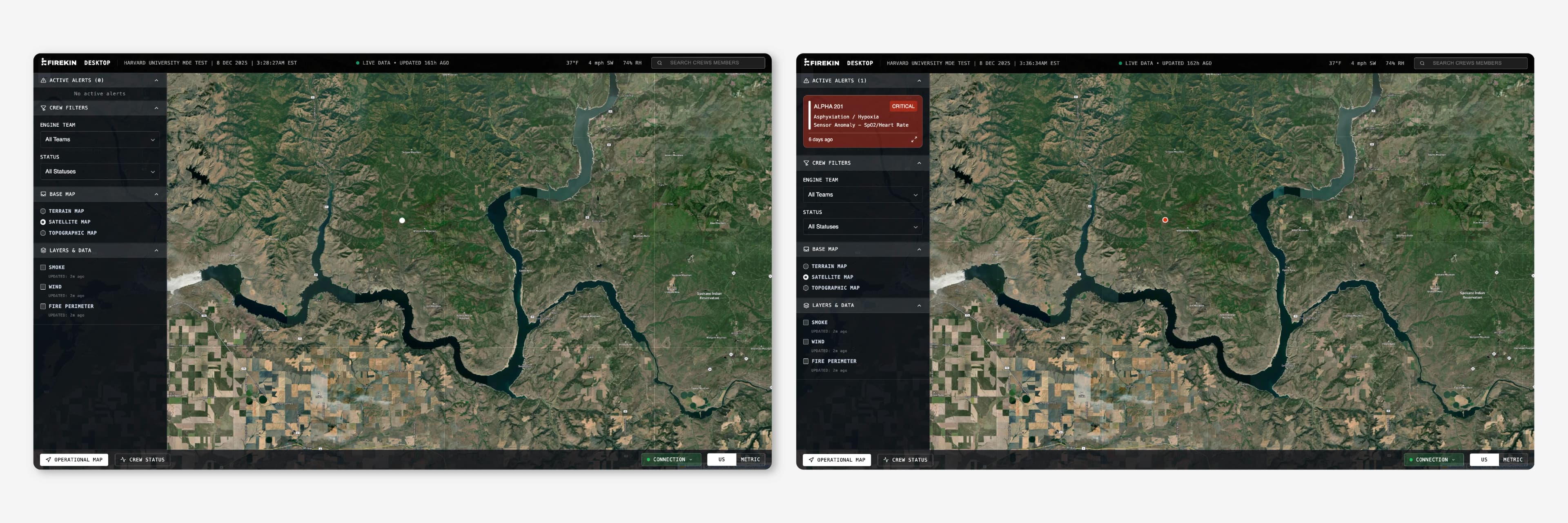
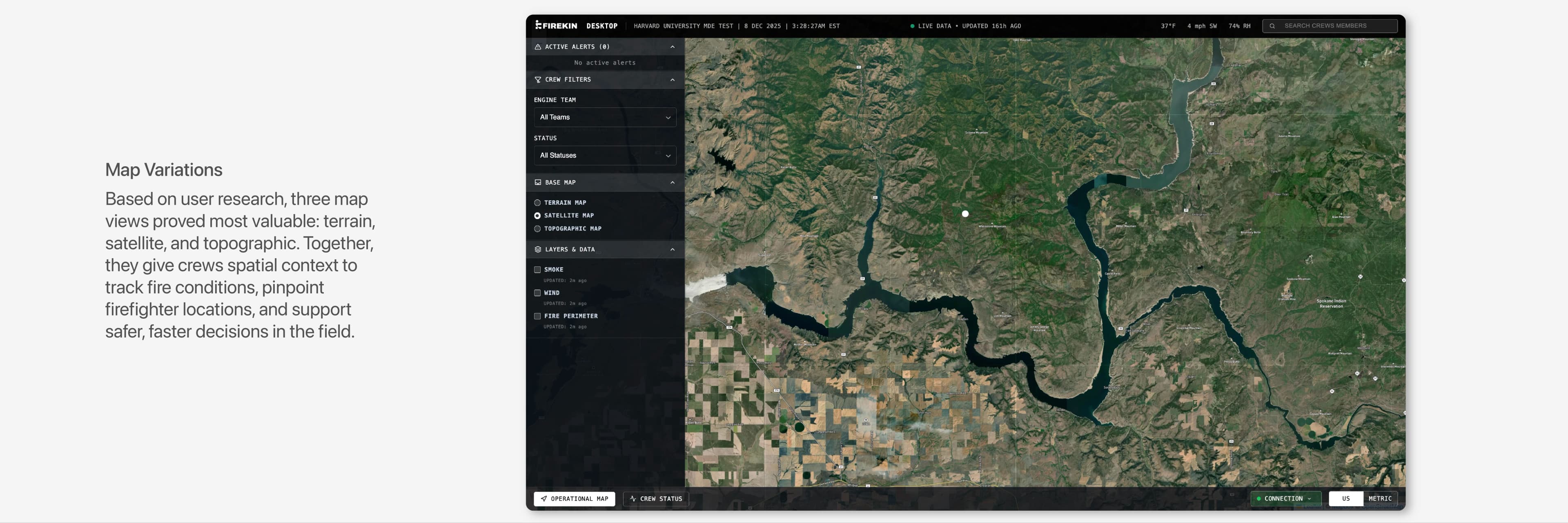
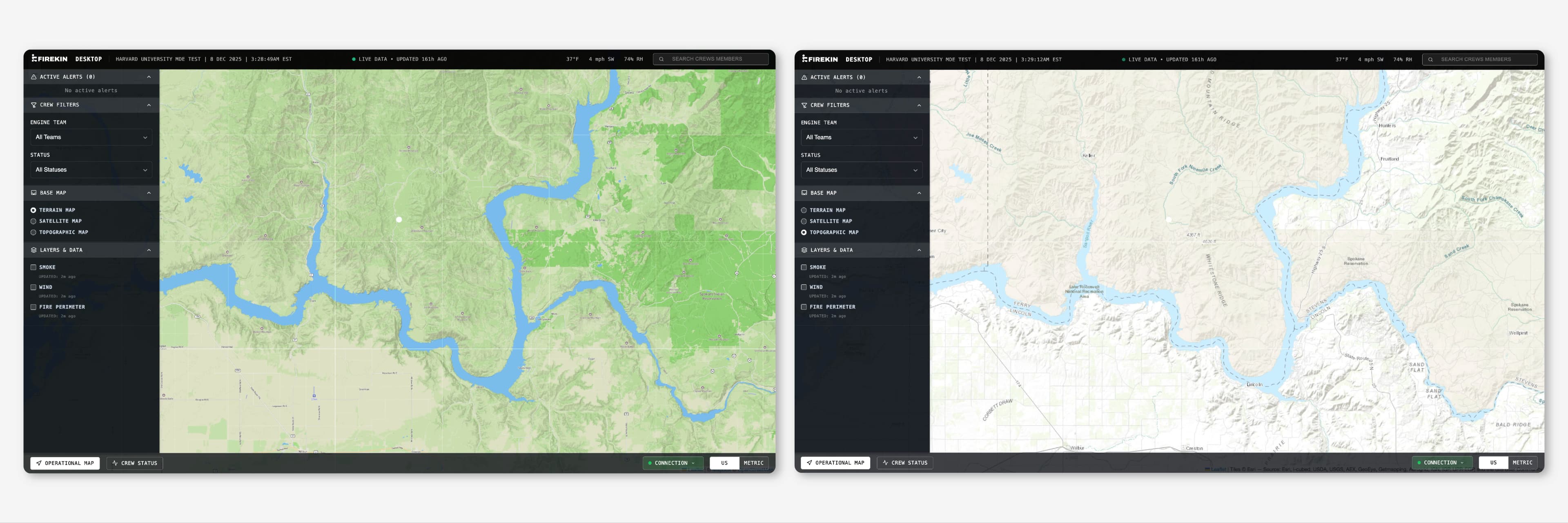
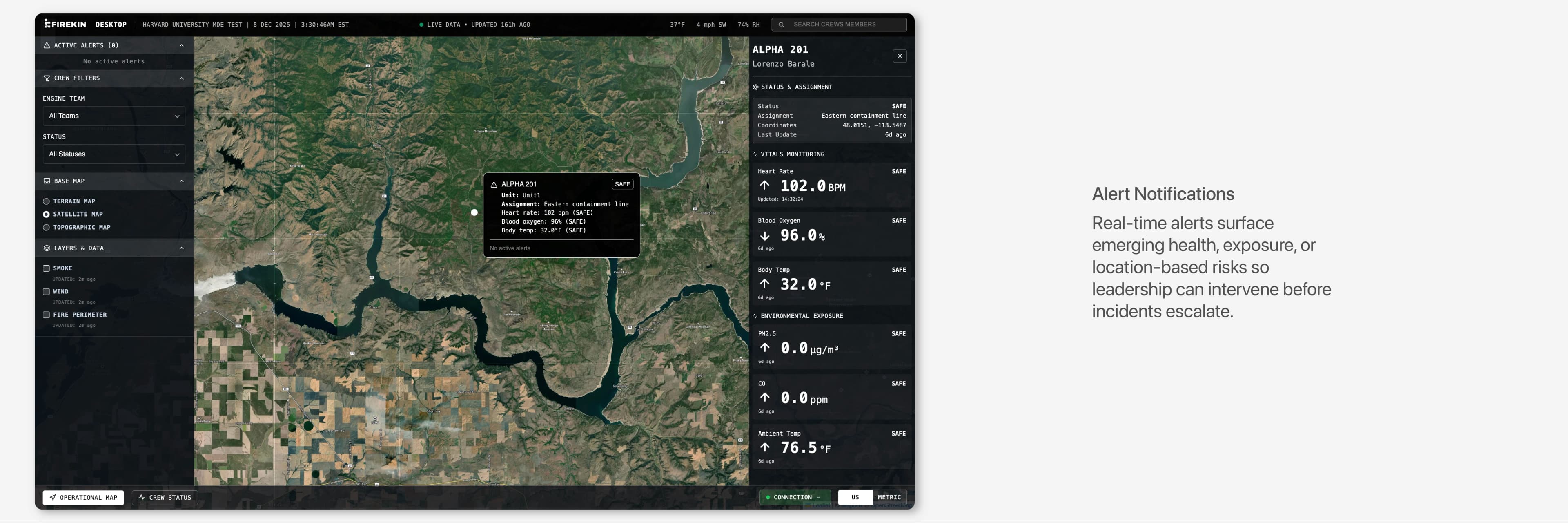
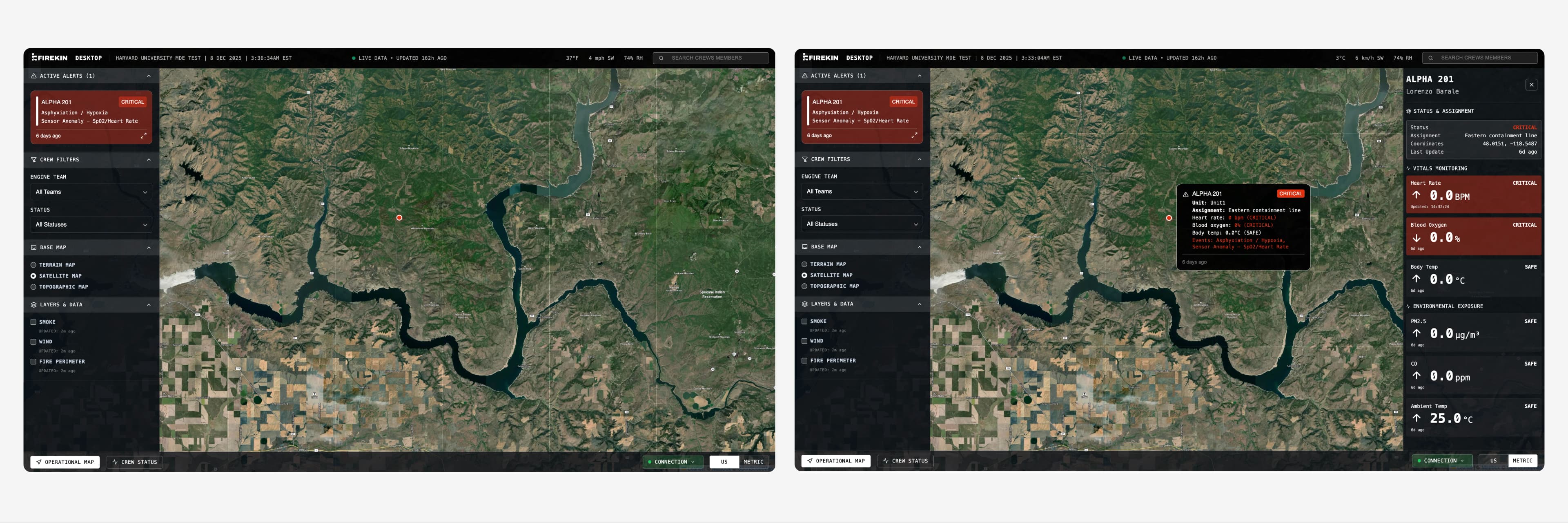
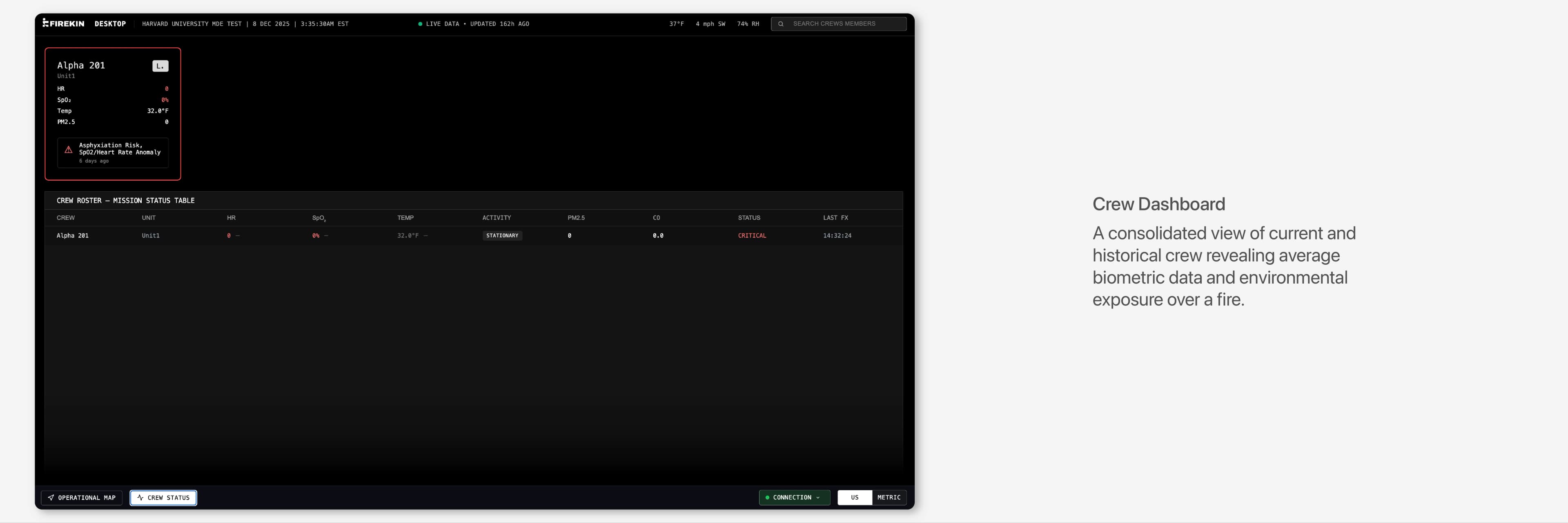
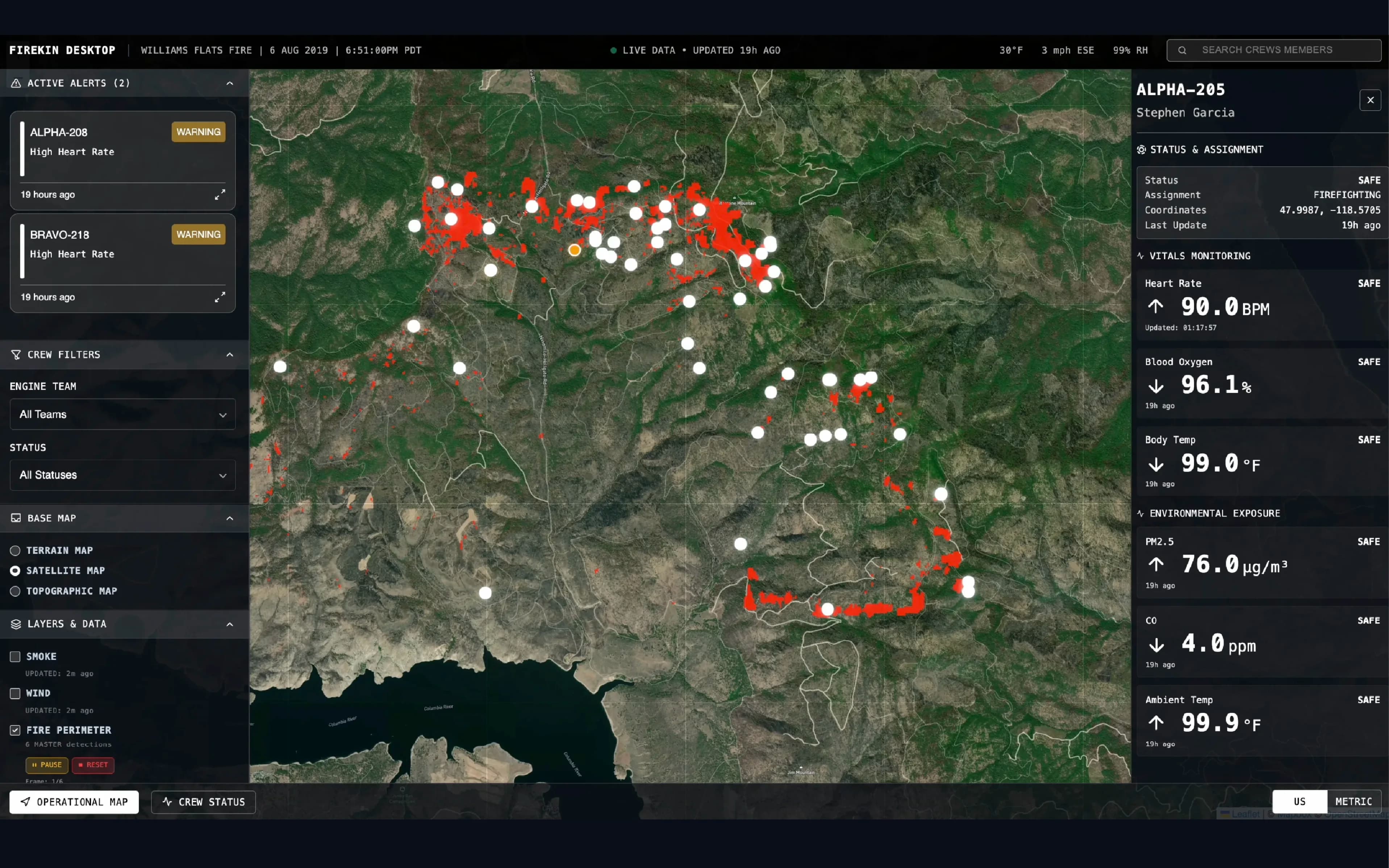
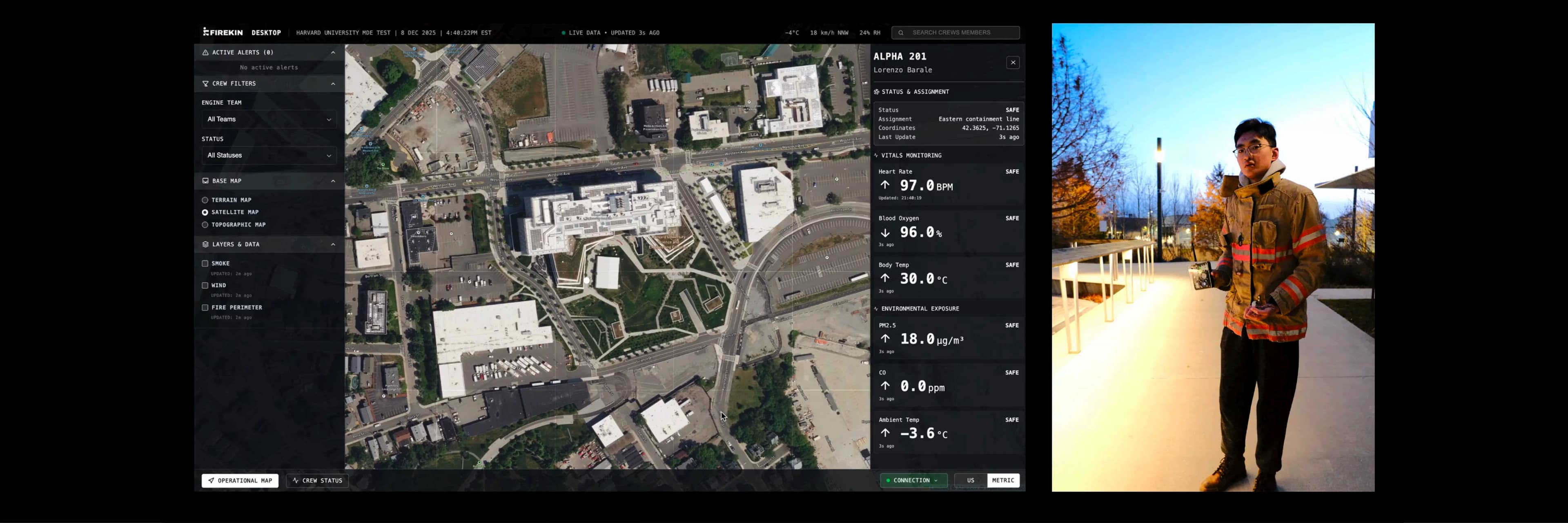
Our product ecosystem centers around a digital dashboard that provides commanders with a unified, real-time view of both crew status and fire conditions, with automated alerts when critical thresholds are exceeded.It also integrates NASA’s SIT-FUSE model to track wildfire spread and smoke plumes through satellite imagery.
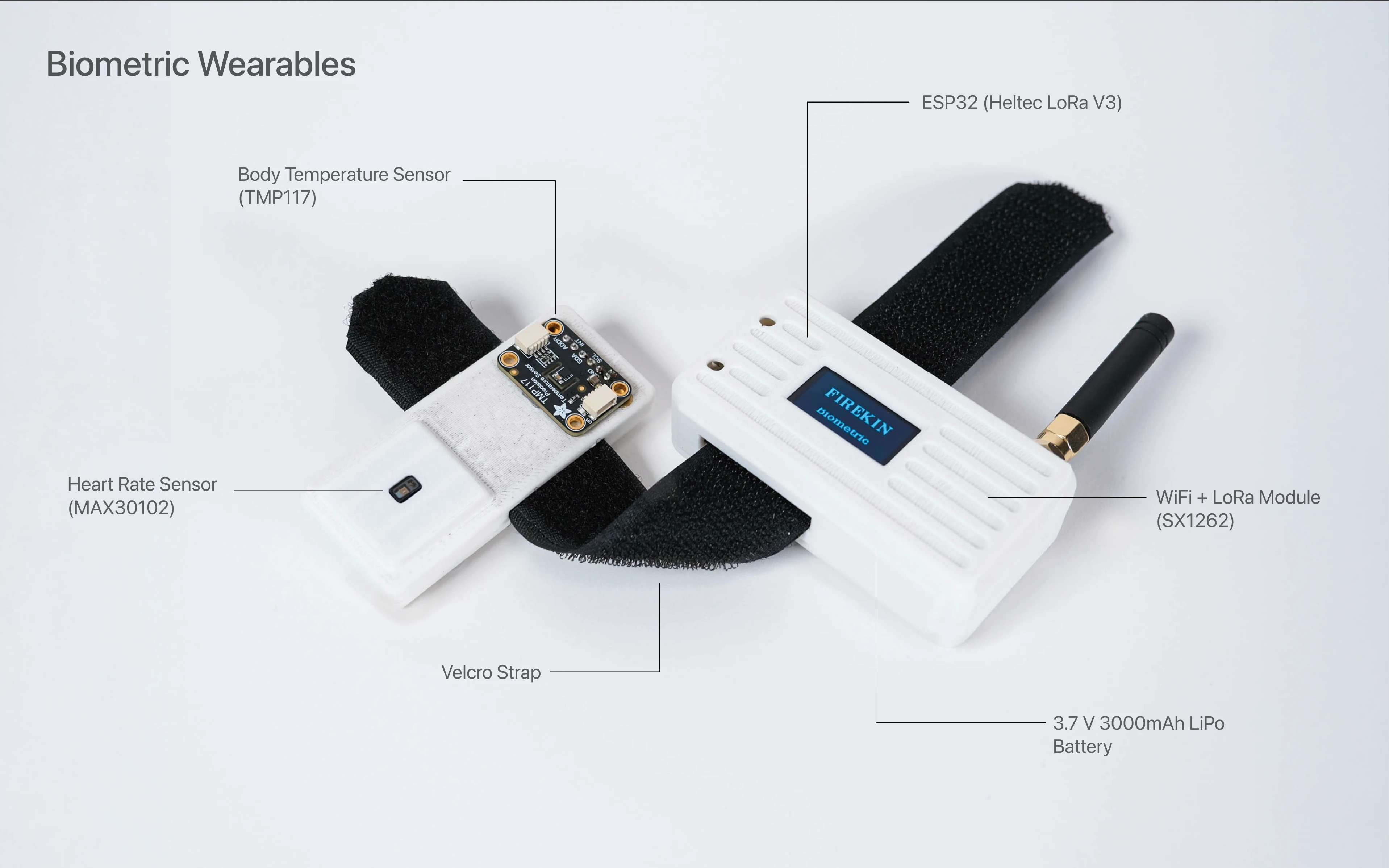
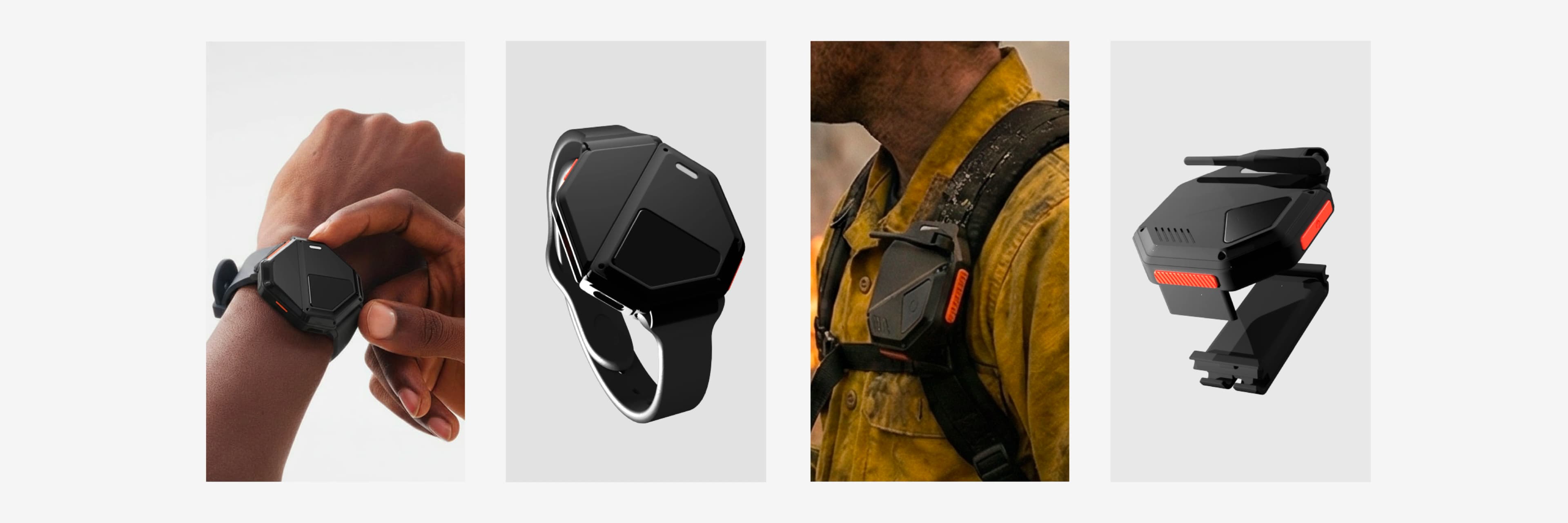
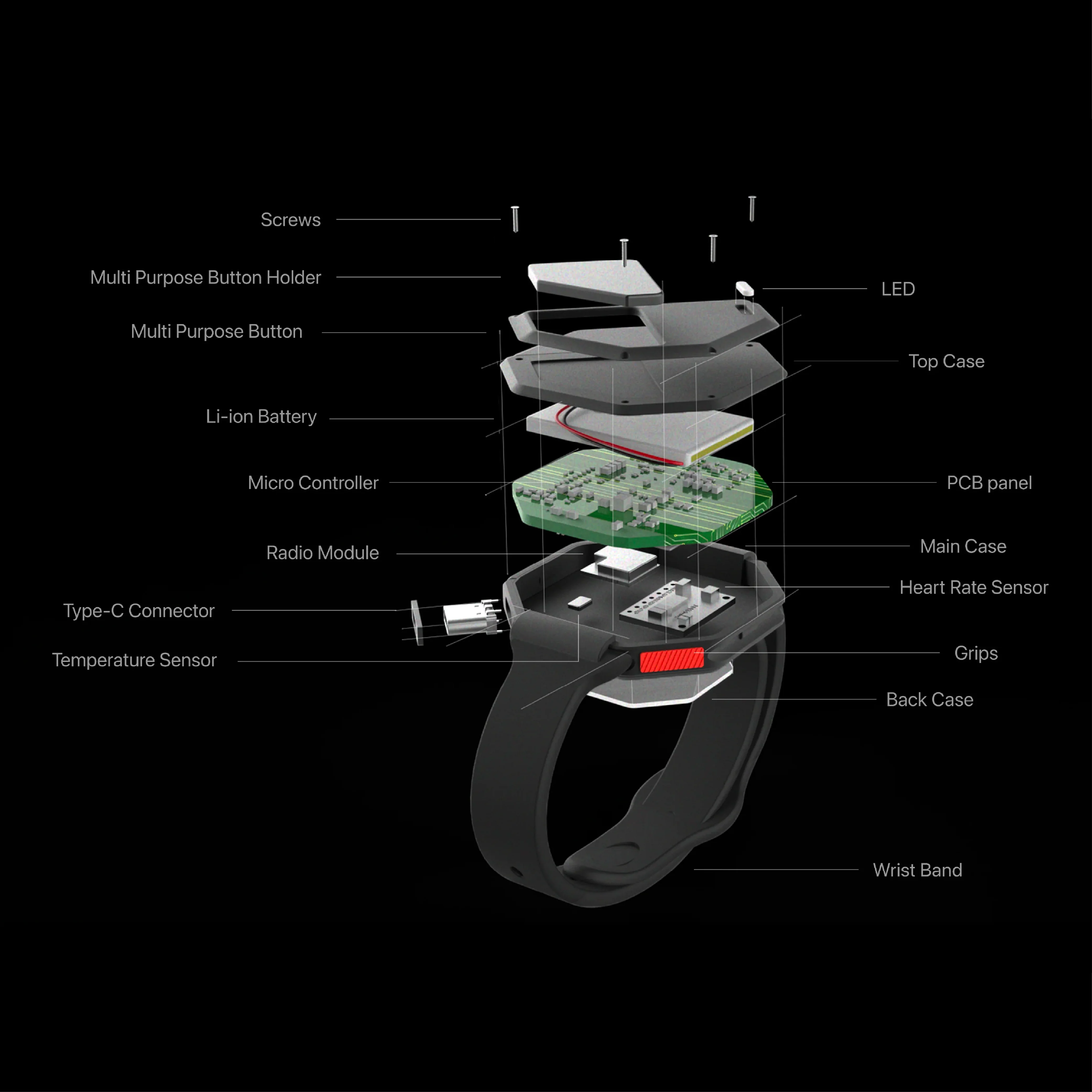
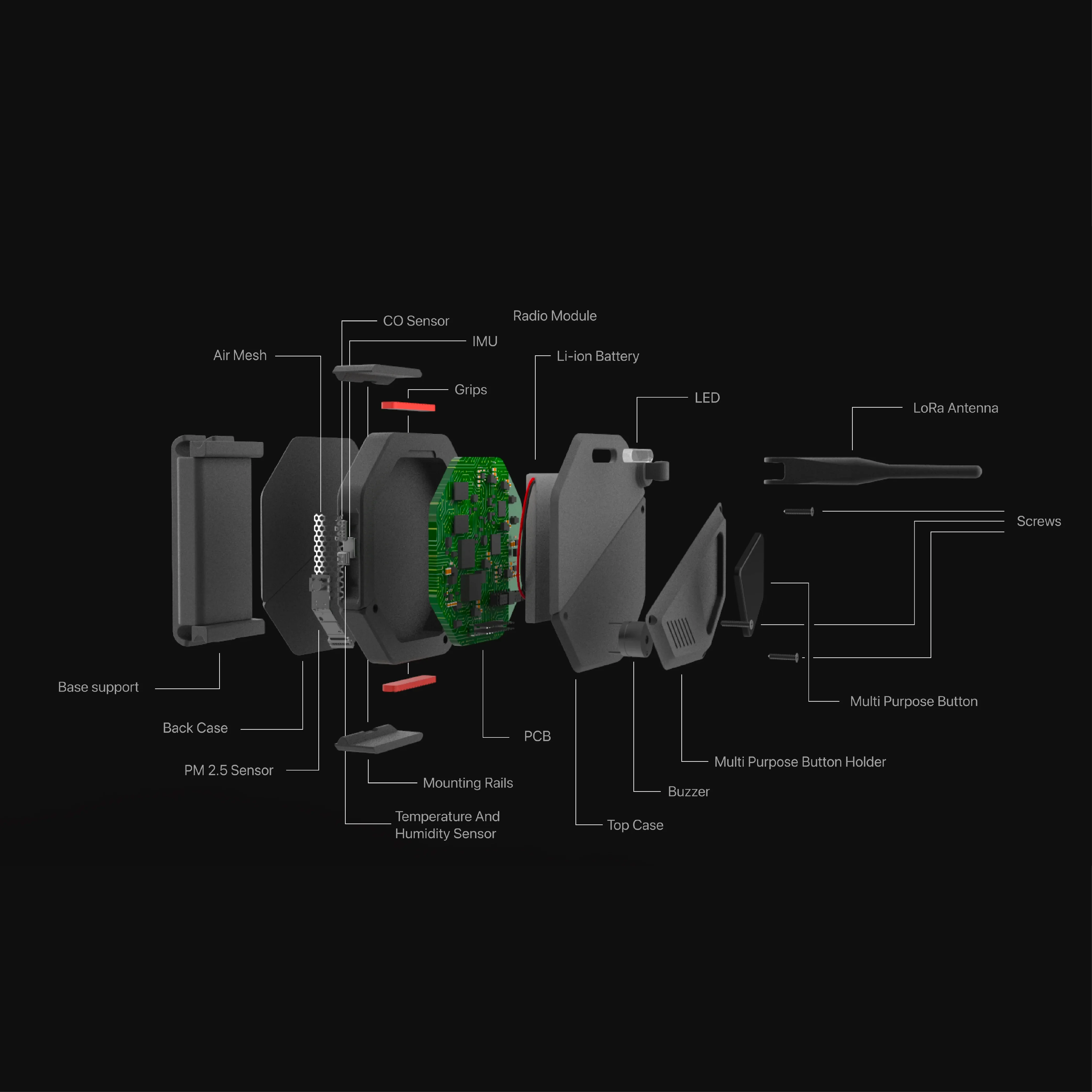
The second component of the system is a dual-sensor wearable designed to work in tandem.
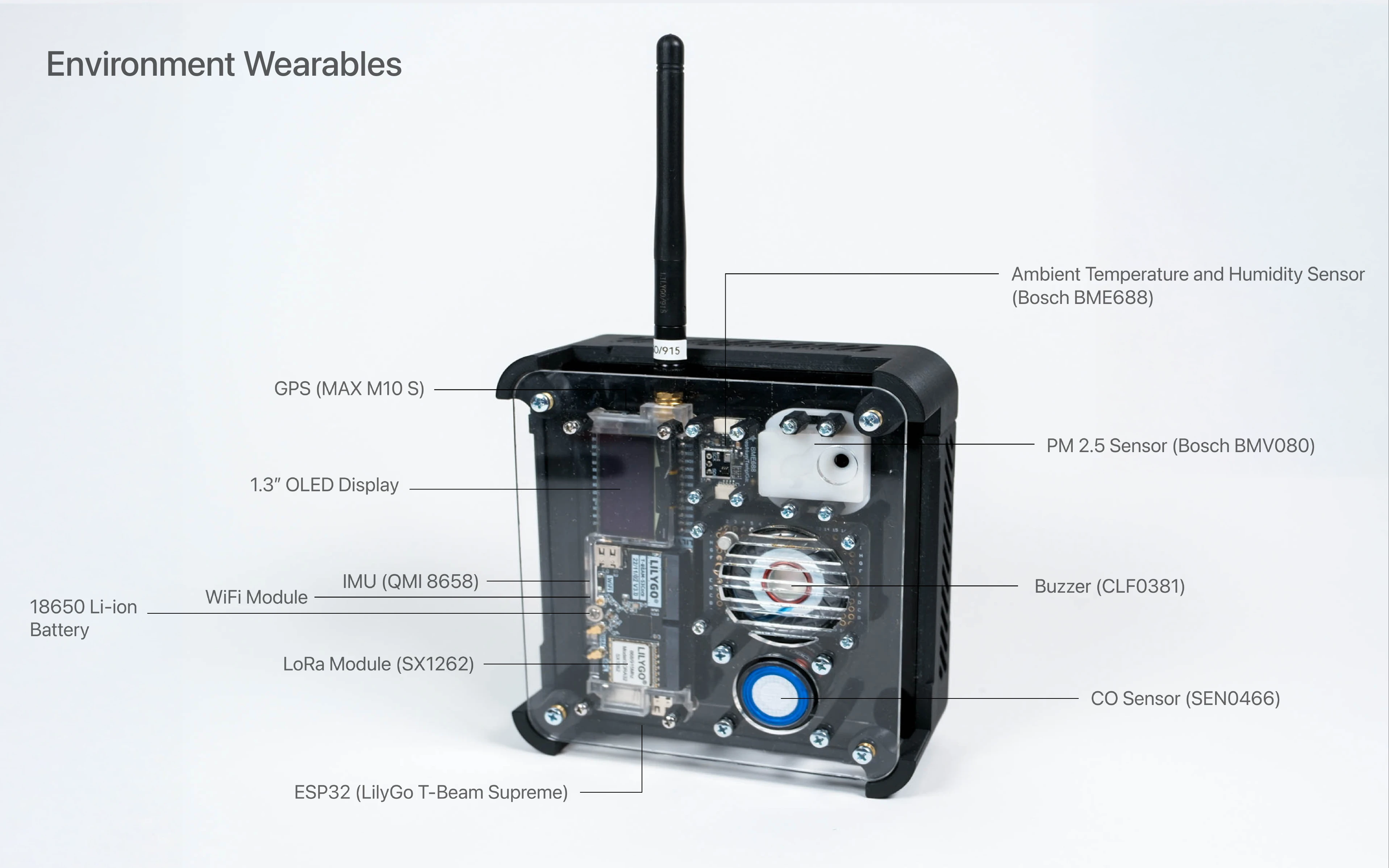
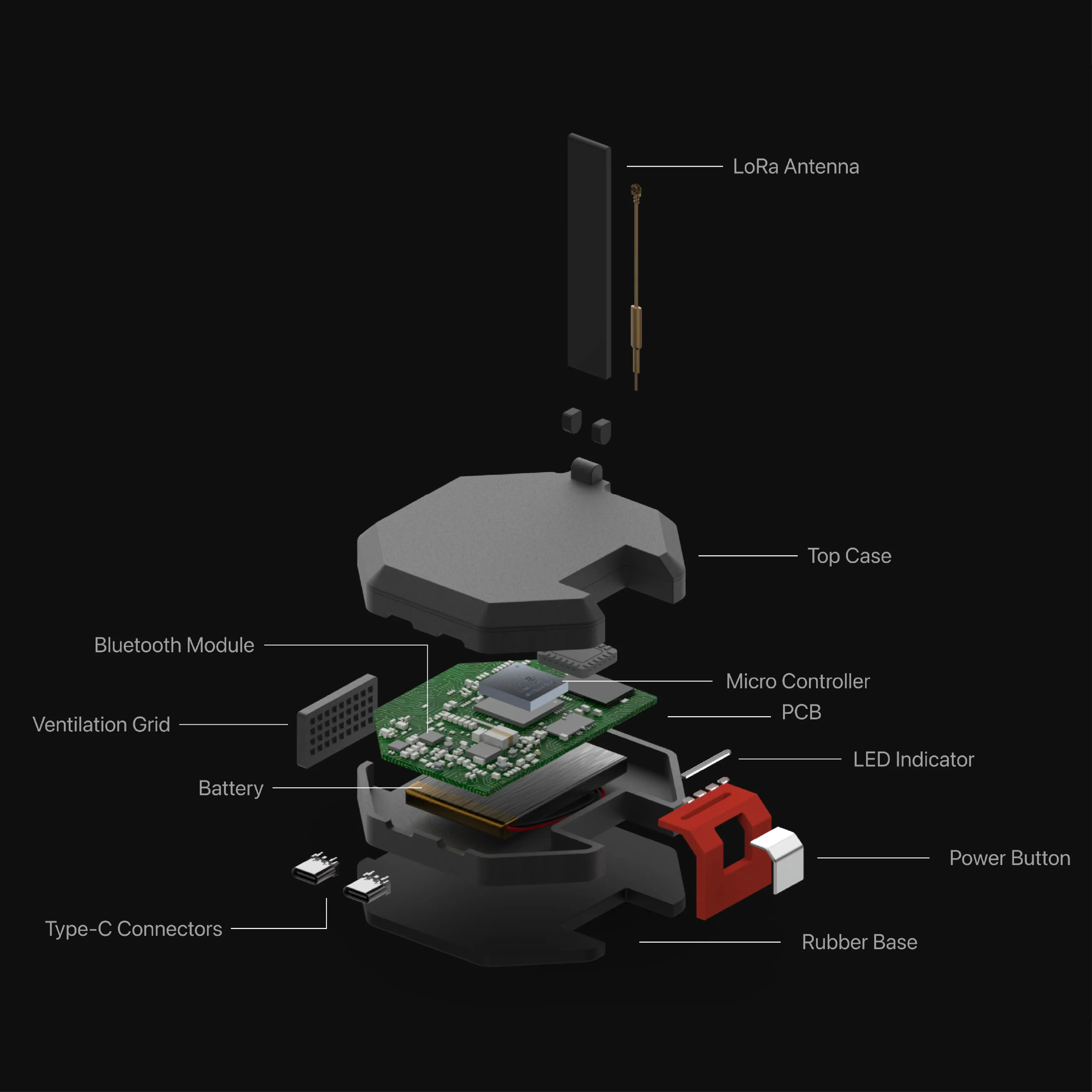
A wrist-worn device monitors heart rate, blood oxygen levels, and core body temperature, while a clip-on sensor captures environmental data including carbon monoxide (CO), PM2.5, temperature, humidity, movement, and GPS location.
Together, these sensors create a real-time view of both crew health and environmental exposure across the fireline.
To test the sensors, we used simulated the ecosystem with real data from NASA FIREX-AQ: Williams Flats Fire (2019), a 23-day fire covering 44,446 acres with 400+ personnel.
We began our research
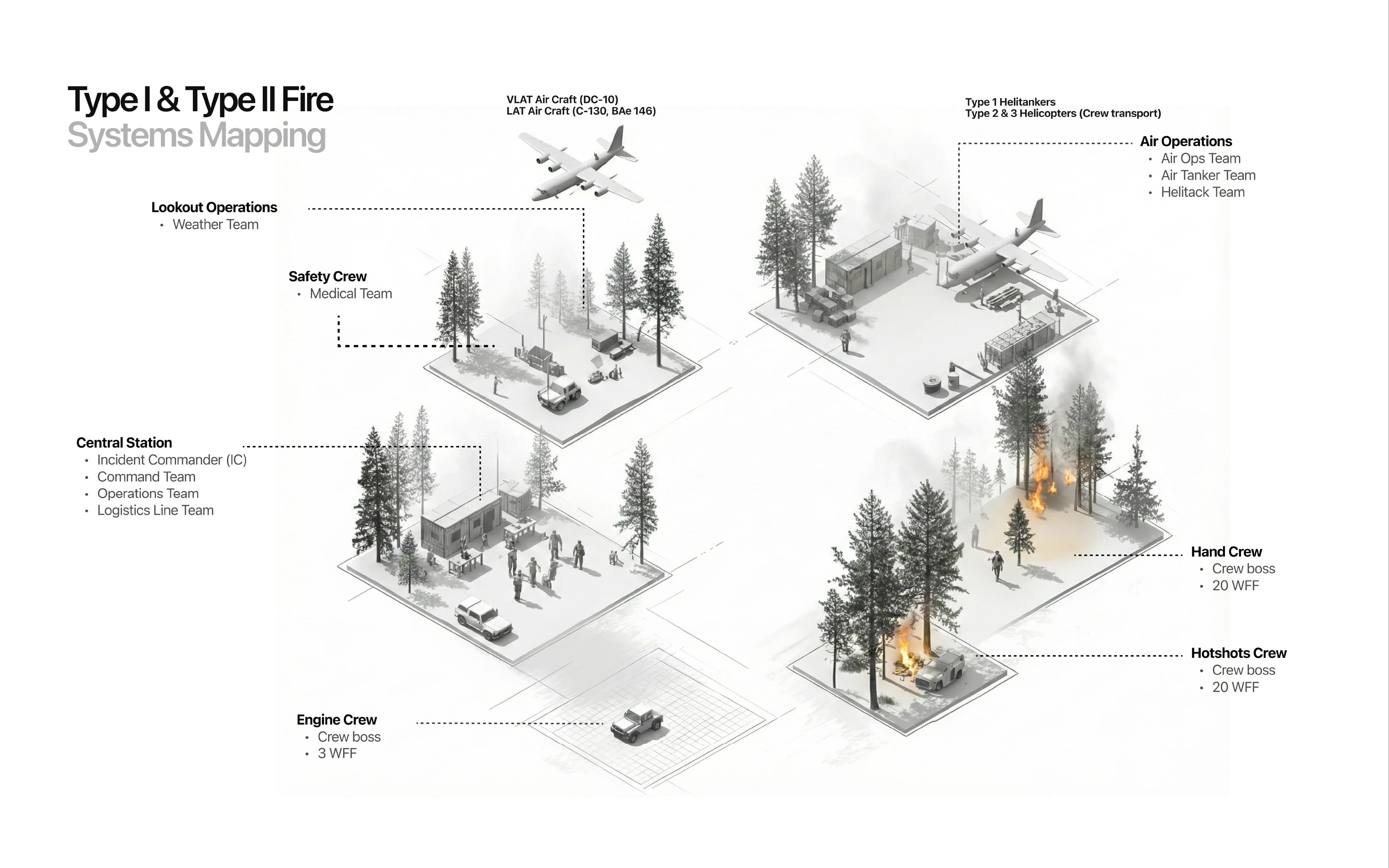
Existing wildland firefighting systems are reactive and data-sparse: briefings rely on physical maps, and updates travel by radio, leaving decisions to intuition and experience. Incident commanders have no way to track their team's location or health status, and in heavy smoke, even visual and radio contact can fail.
We conducted interviews with wildland firefighters and incident commanders on the field to understand their needs and pain points.
Tap or click a card to reveal insights
From the research and interviews, we found four major themes that emerged.
There is a norm to 'push through' causes firefighters to downplay early injury signs and postpone reporting.
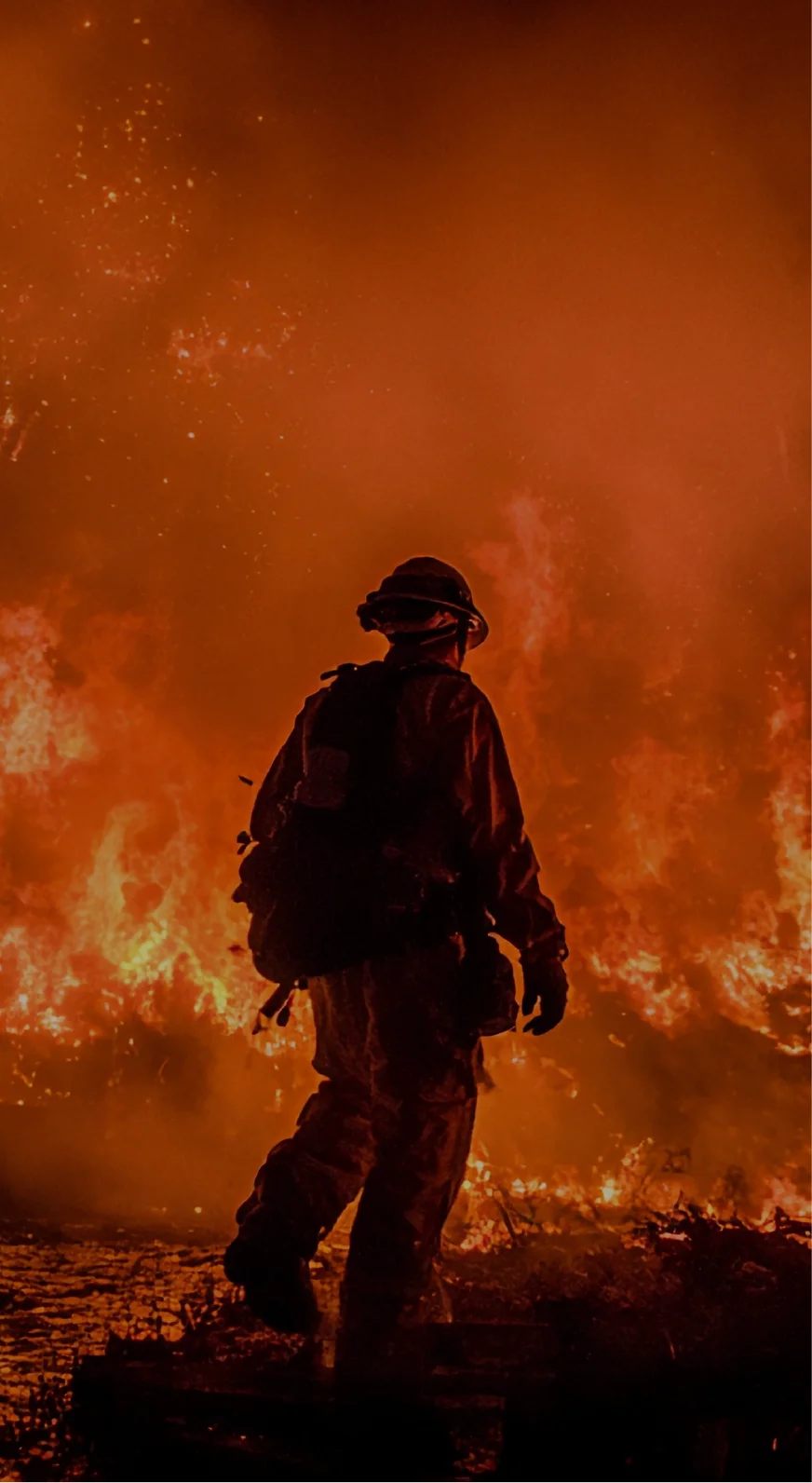
Wildland firefighters protect our lands, yet the job itself is engineered to put their hearts and lives at risk.
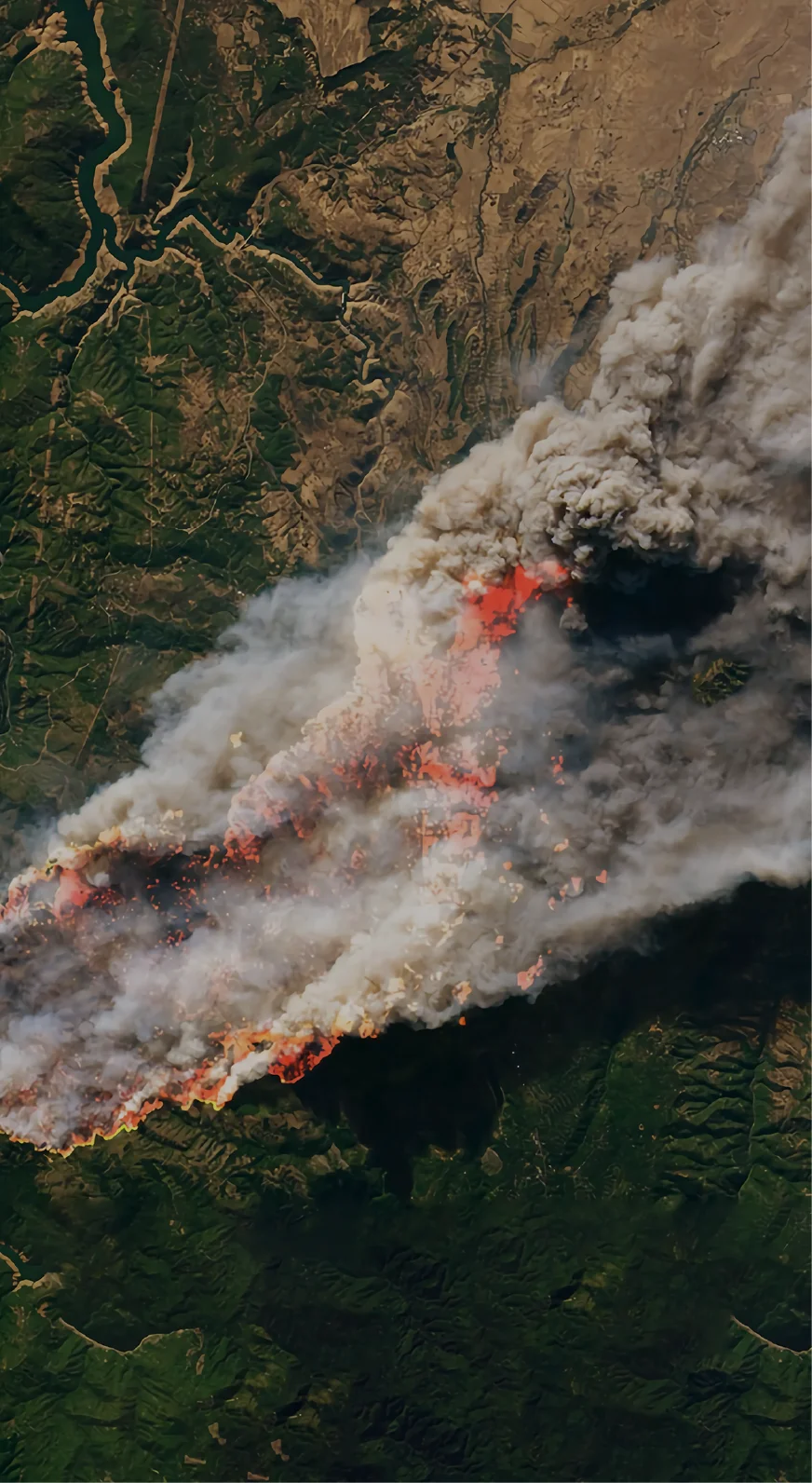
Constant smoke exposure becomes normalized as a routine part of wildland firefighting.
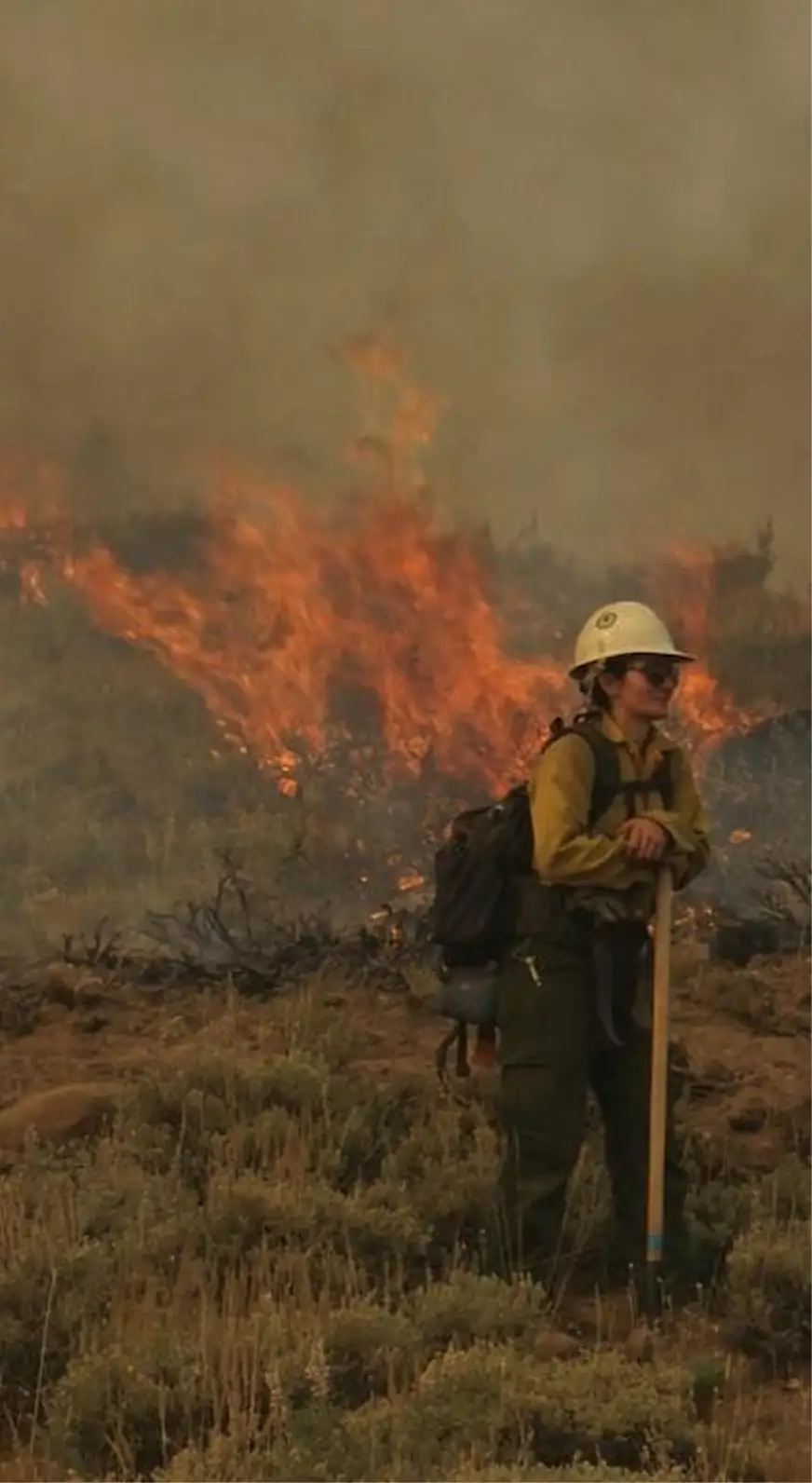
Accumulating fatigue from tough, long shifts impacts performance and judgment, often unnoticed.
Problem statement
Anticipating risk means knowing where danger is heading. We collaborated with Nick LaHaye at NASA JPL to integrate SIT-FUSE, an unsupervised ML model that detects and tracks wildfire smoke plumes via satellite imagery.
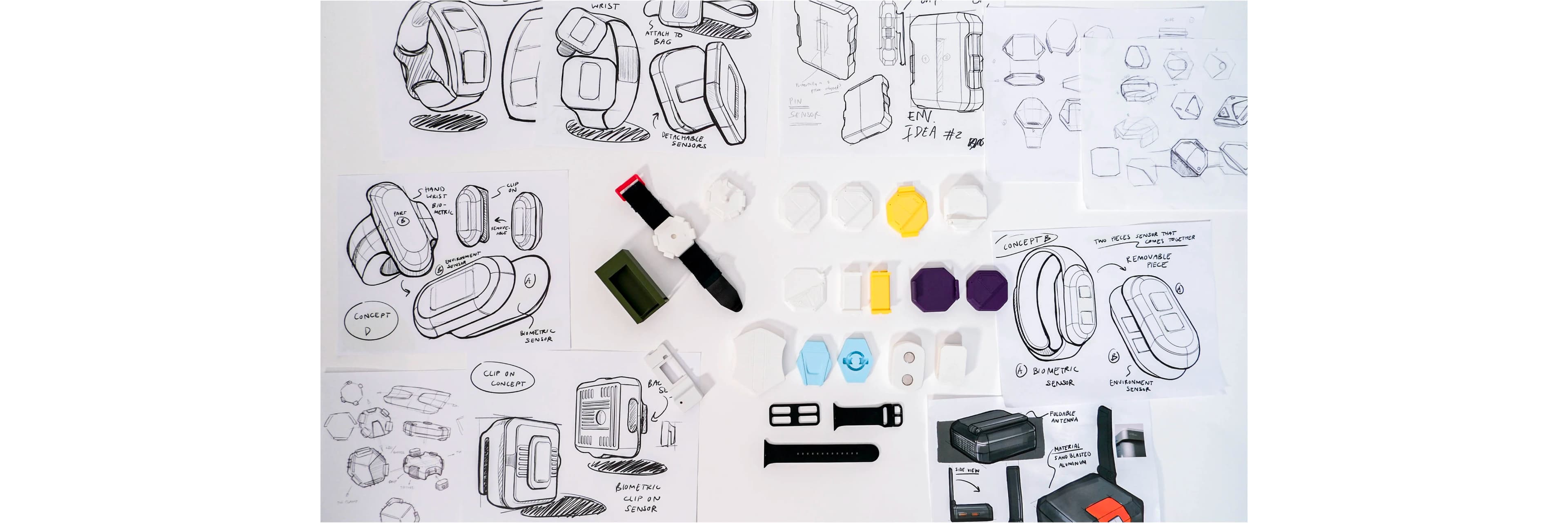
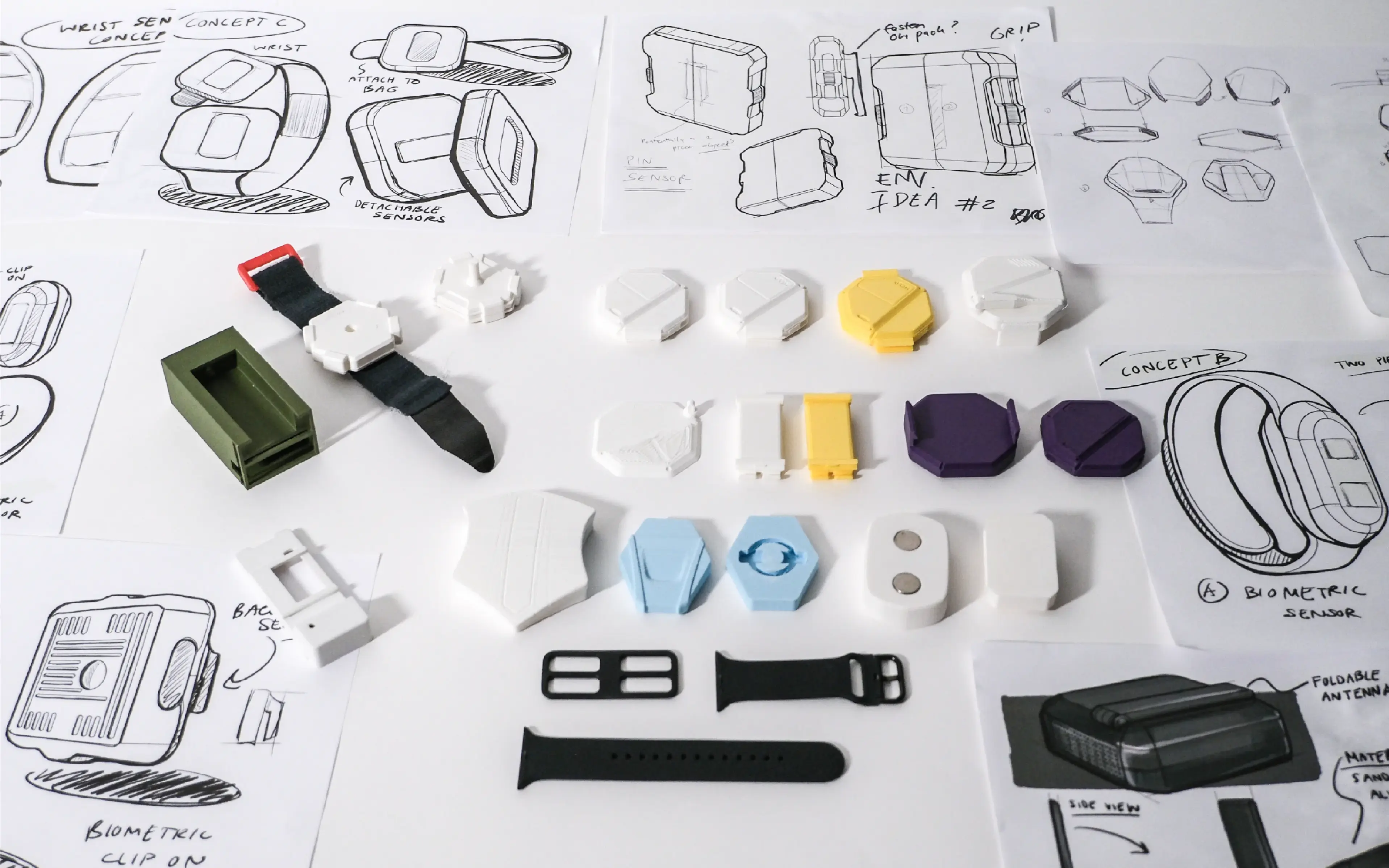
With the problem and technology defined, we turned to the form factors. Through sketching and prototyping, we tested wearable configurations and attachment mechanisms designed to withstand the extreme conditions and constraints of the environment.
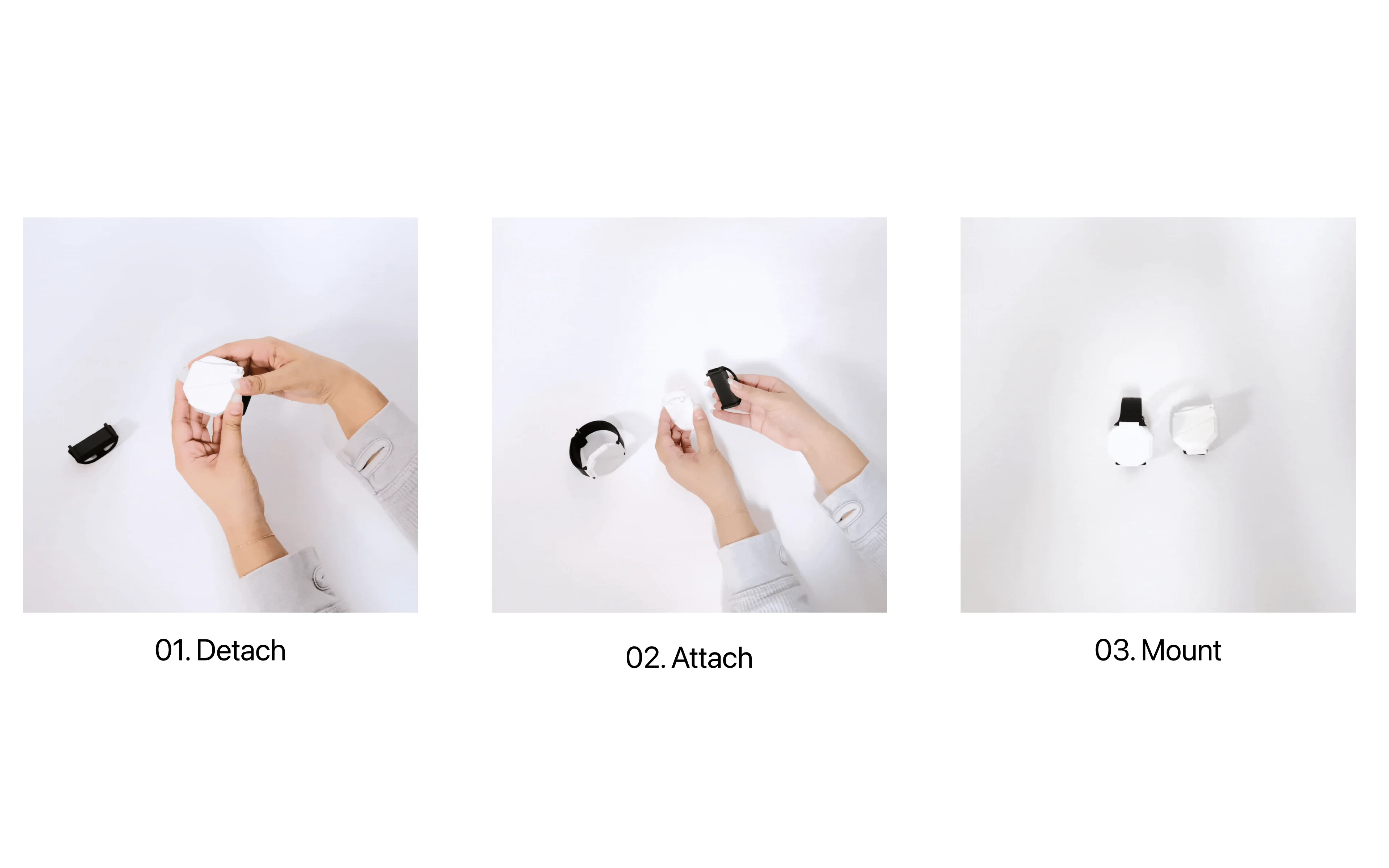
The latch needed to be secure enough for the physical demands of firefighting, yet quick to put on and take off. This minimizes cognitive load for firefighters already gearing up with multiple layers of PPE.
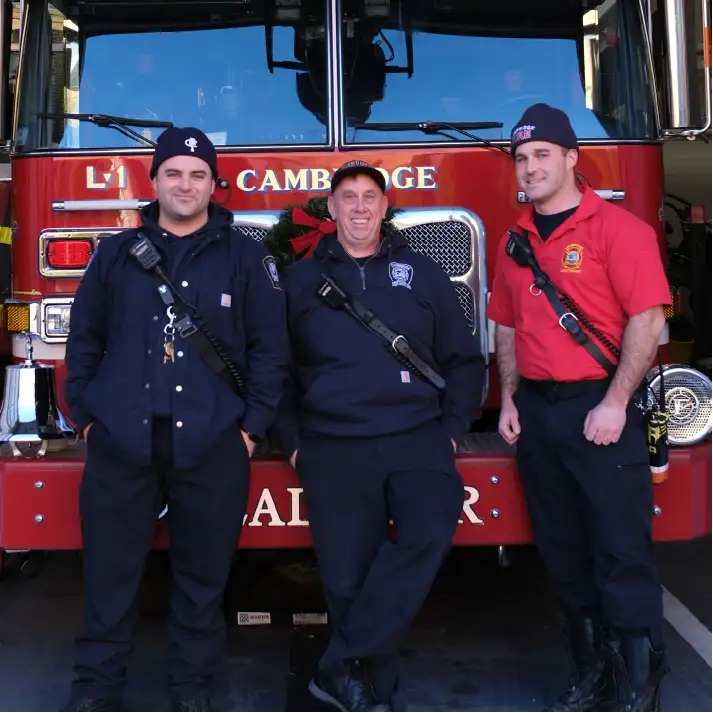
We tested the product with firefighters in Cambridge to get feedback on the comfortability and easy of putting on and taking off with exisitng PPE gears.
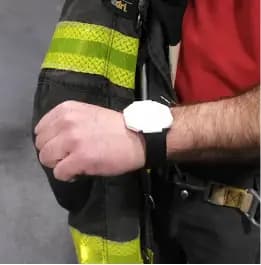
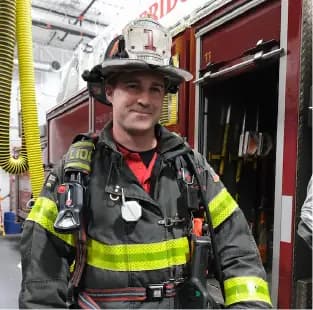
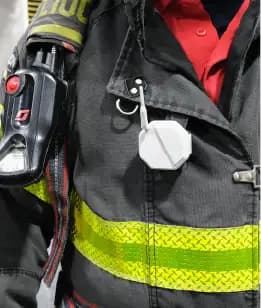
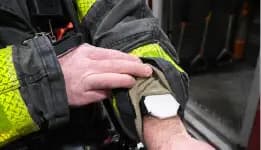
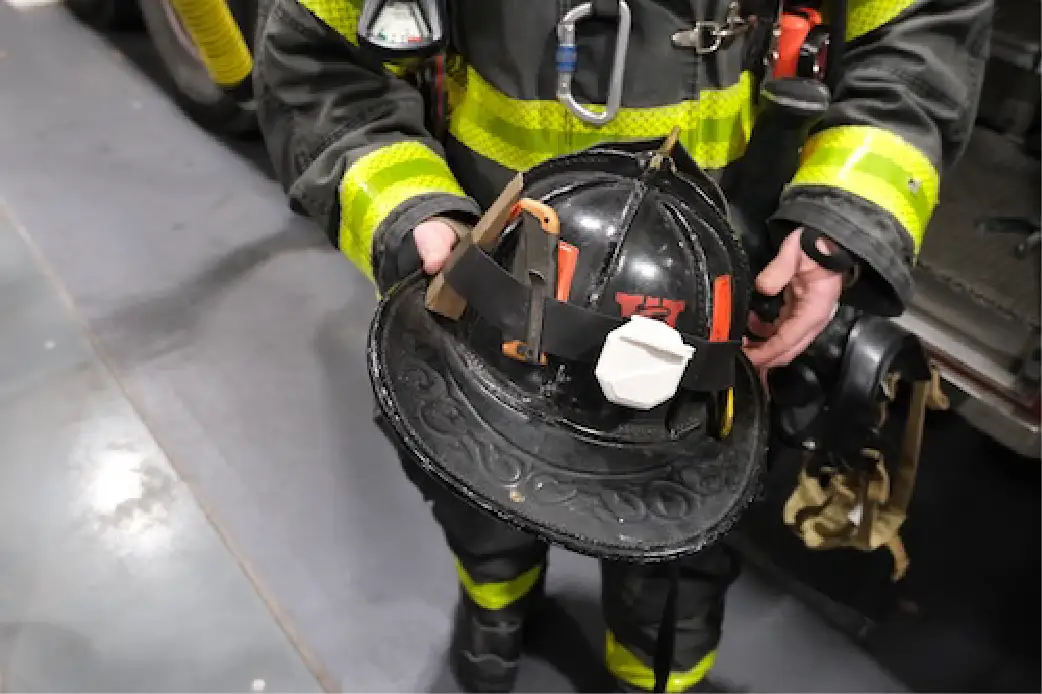
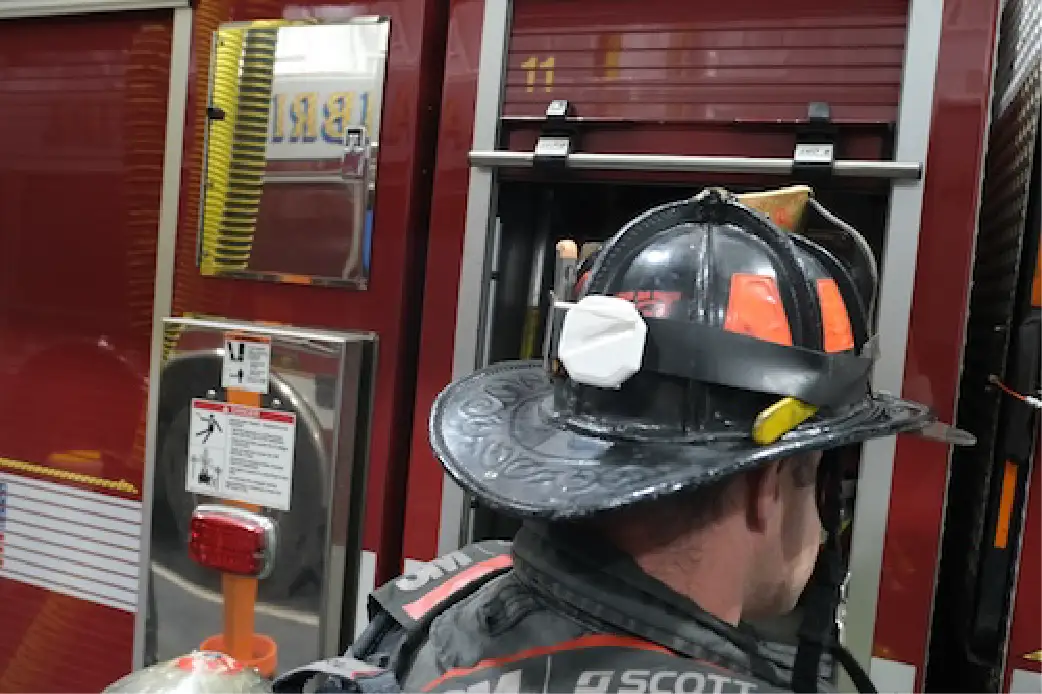
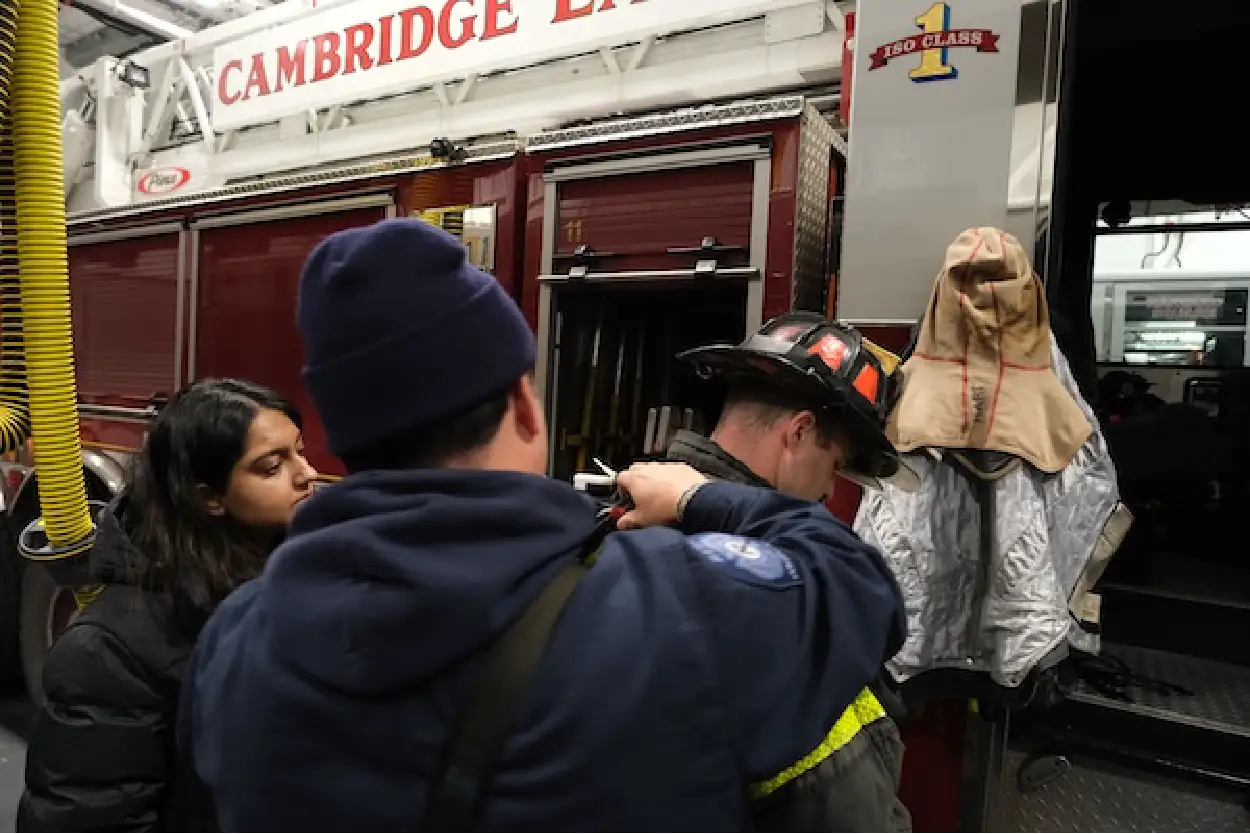
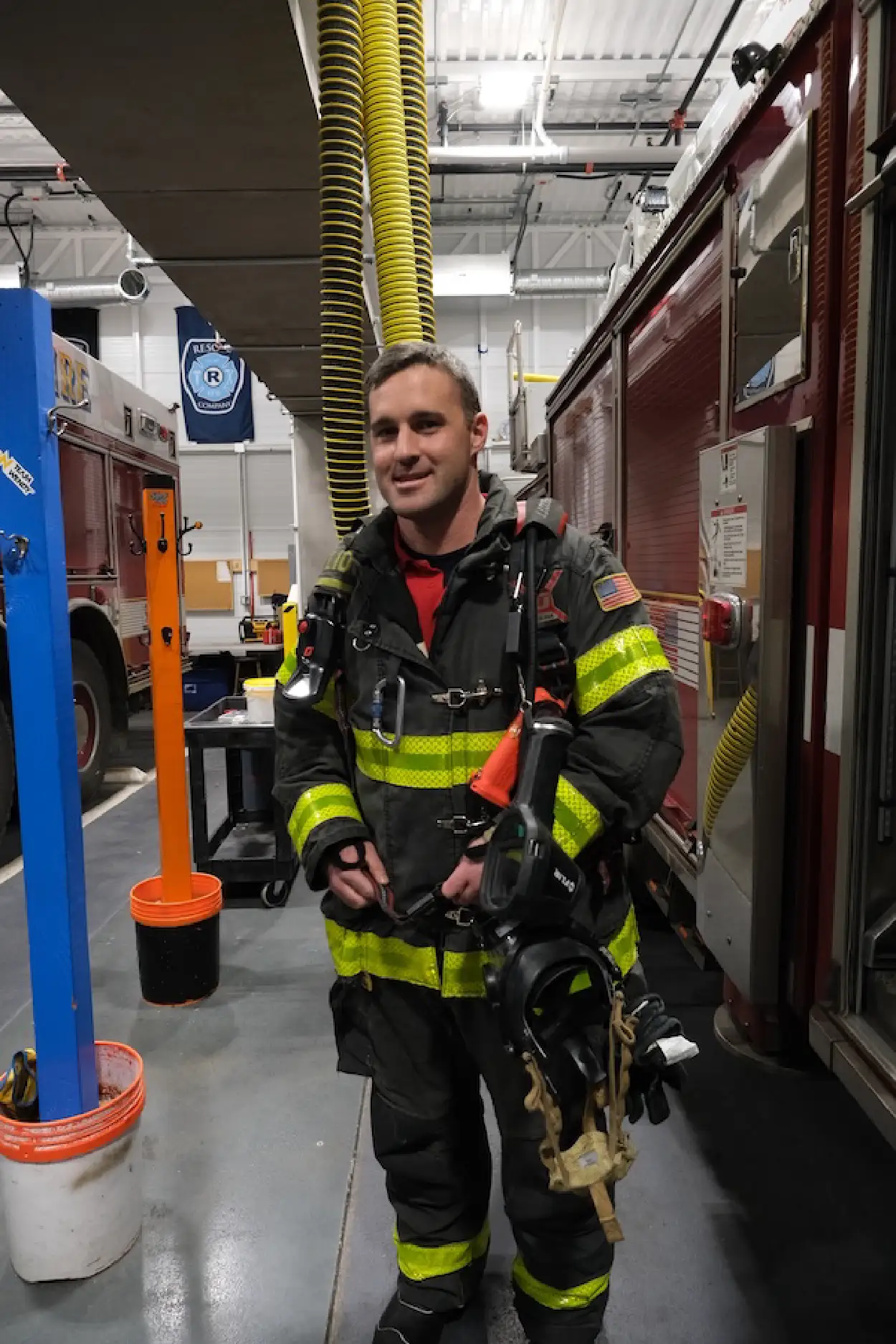
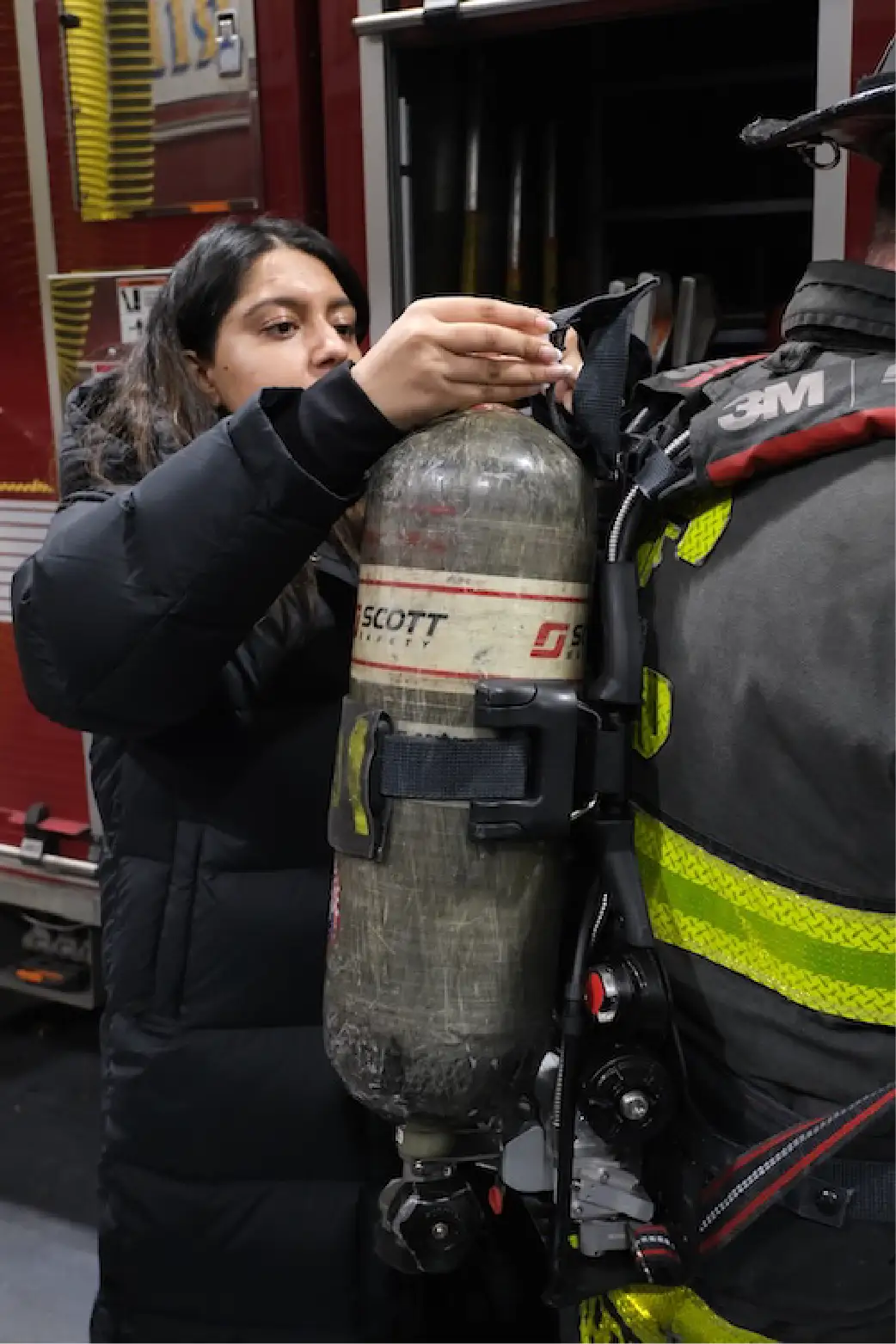
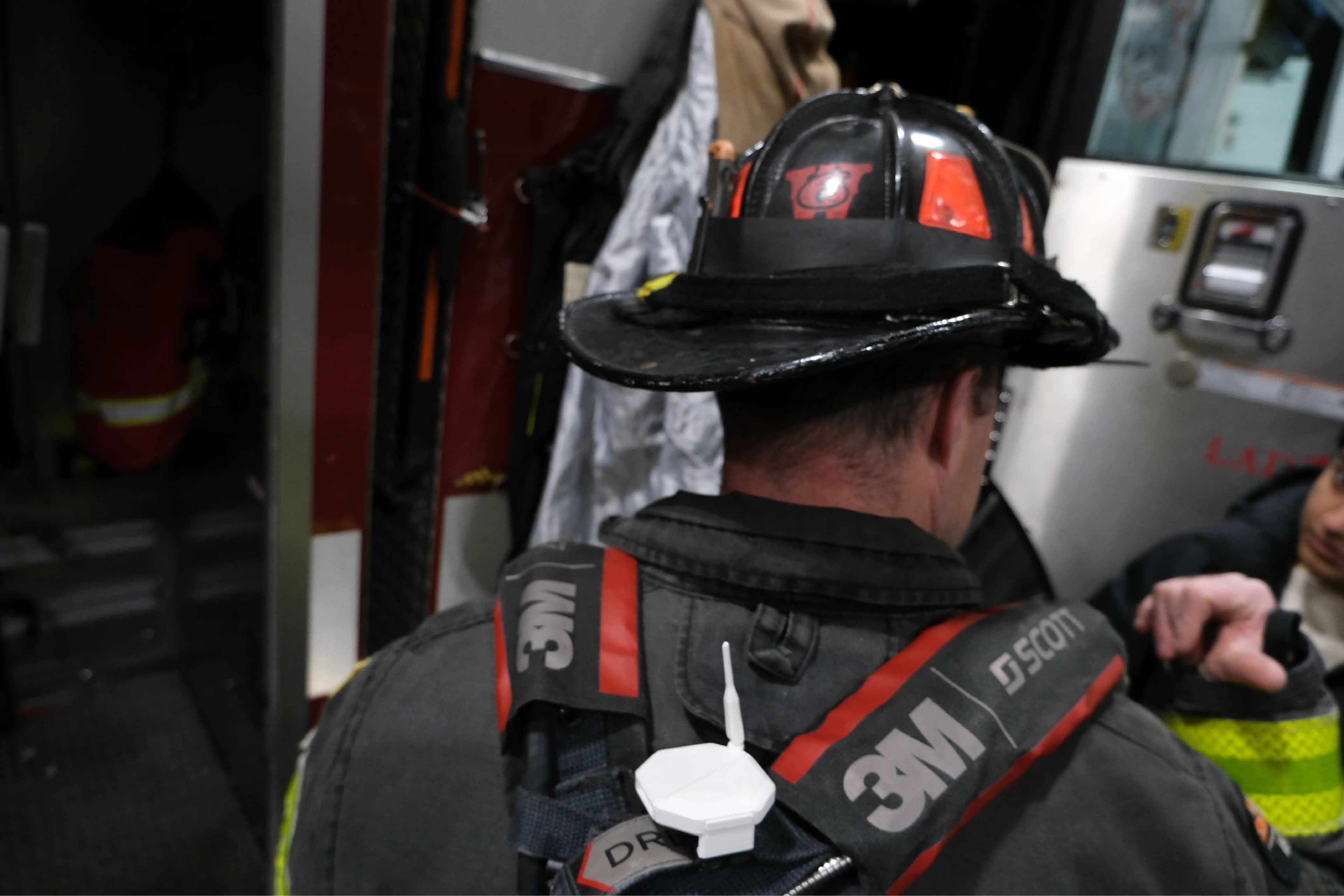
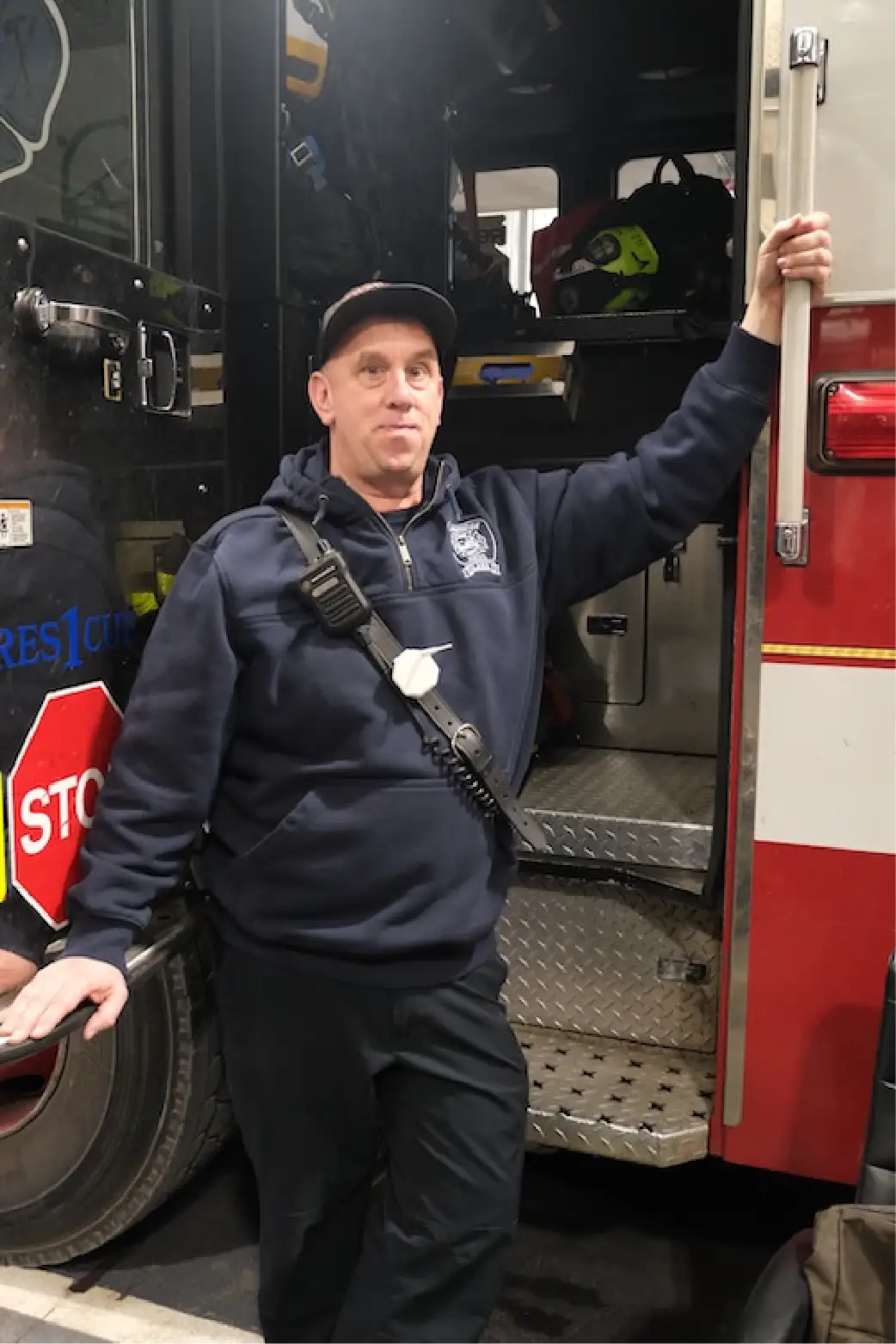
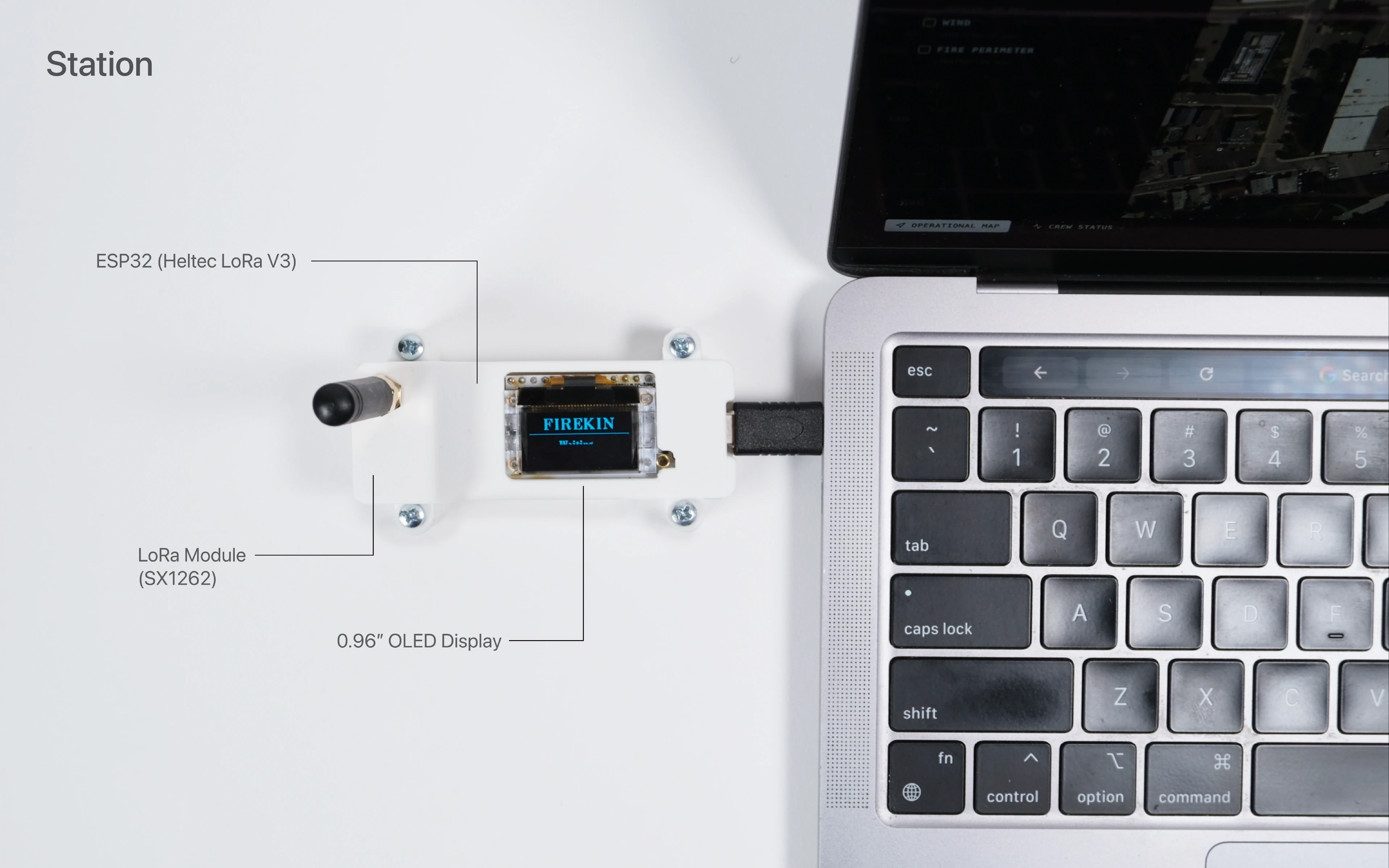
We then built a works-like prototype of the sensors that communicate with each other and feed information to the dashboard.
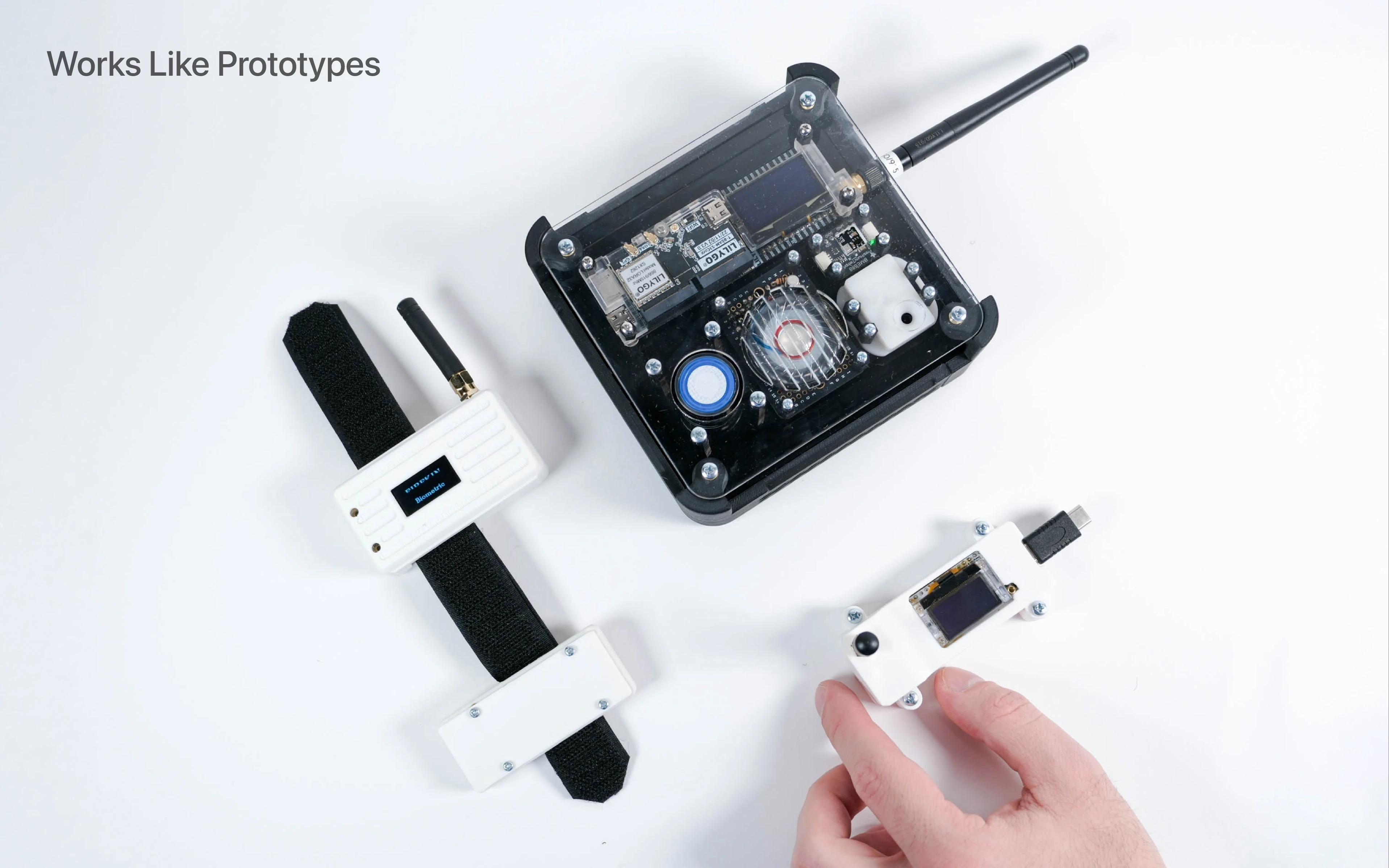
We deployed working prototypes outdoors around Harvard campus, placing sensors in three boxes simulating danger, warning, and safe alert conditions to test location tracking, data collection, and the communication to the dashboard.
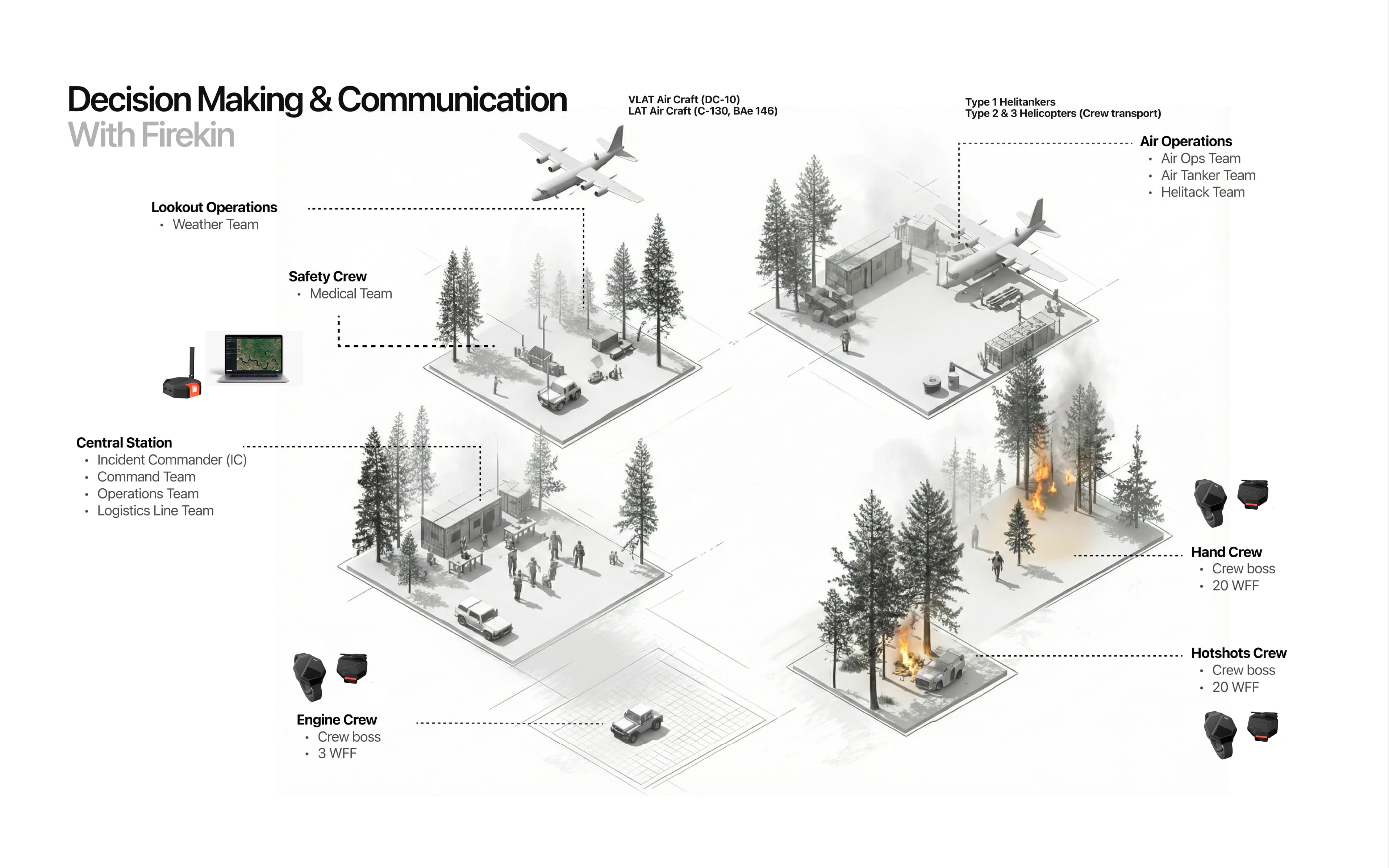
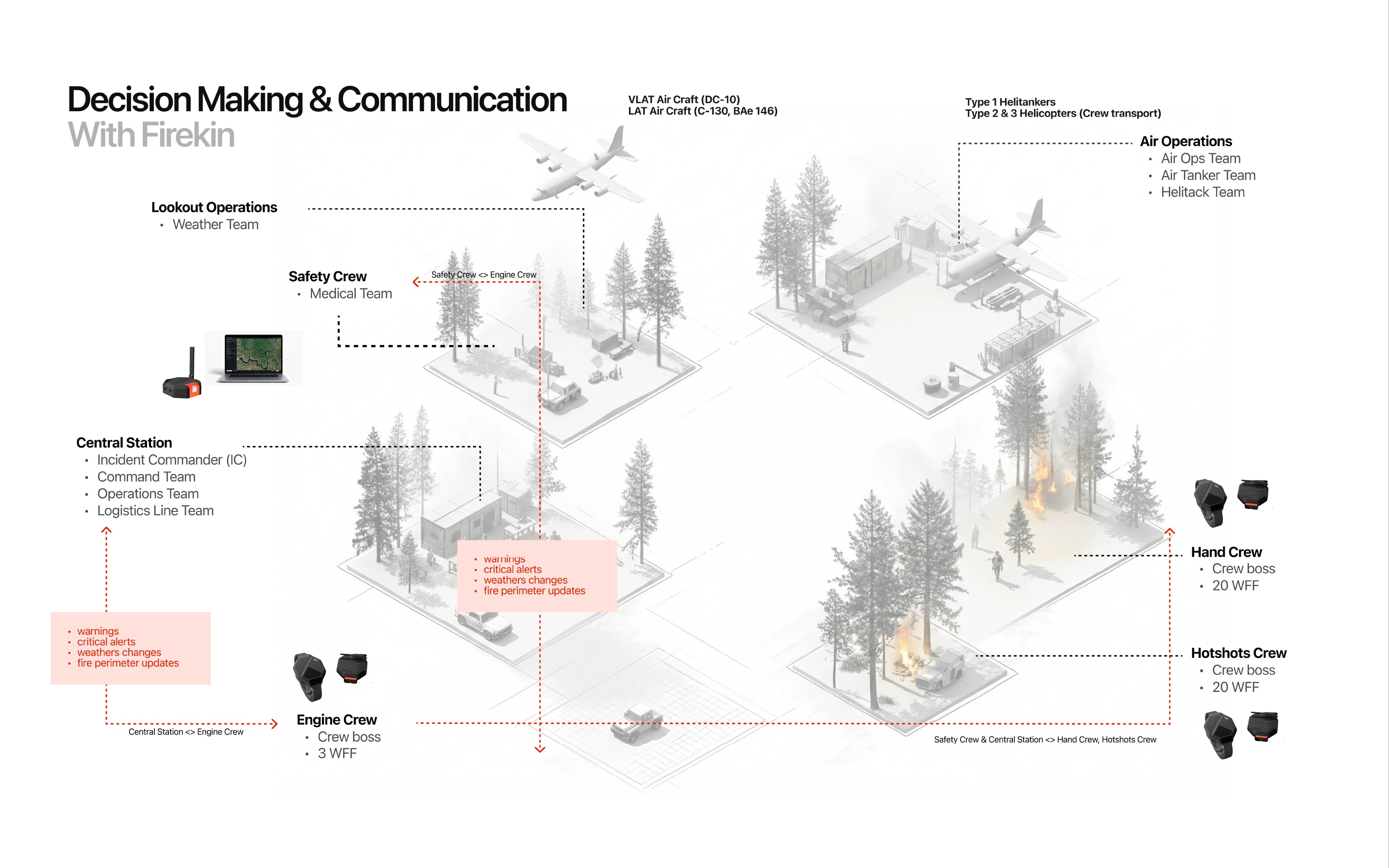
A diagram mapping how decision flows with Firekin ecosystem introduced, illustrating the decision-making process for incident commanders and medical teams outside the fireline using our data.
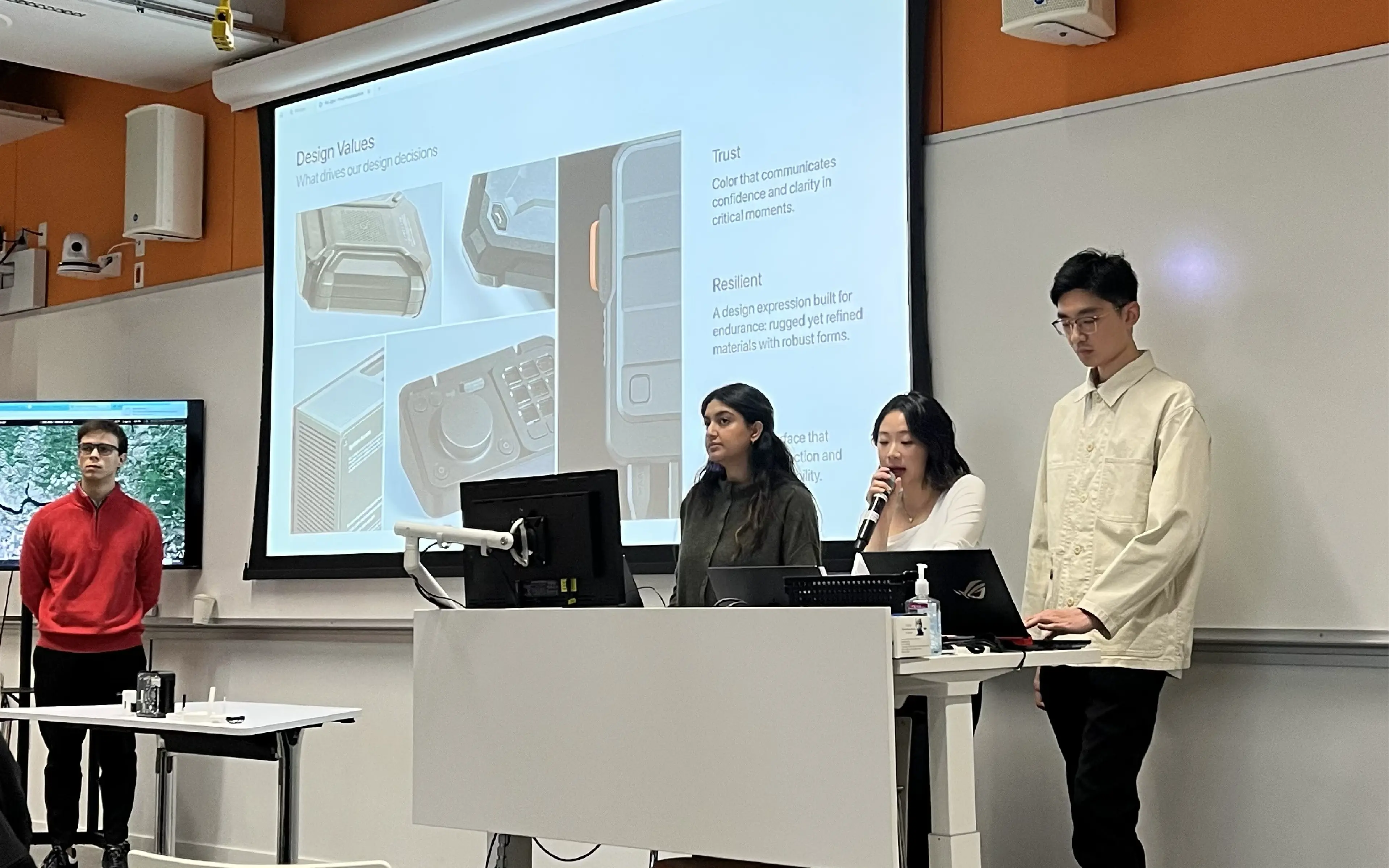
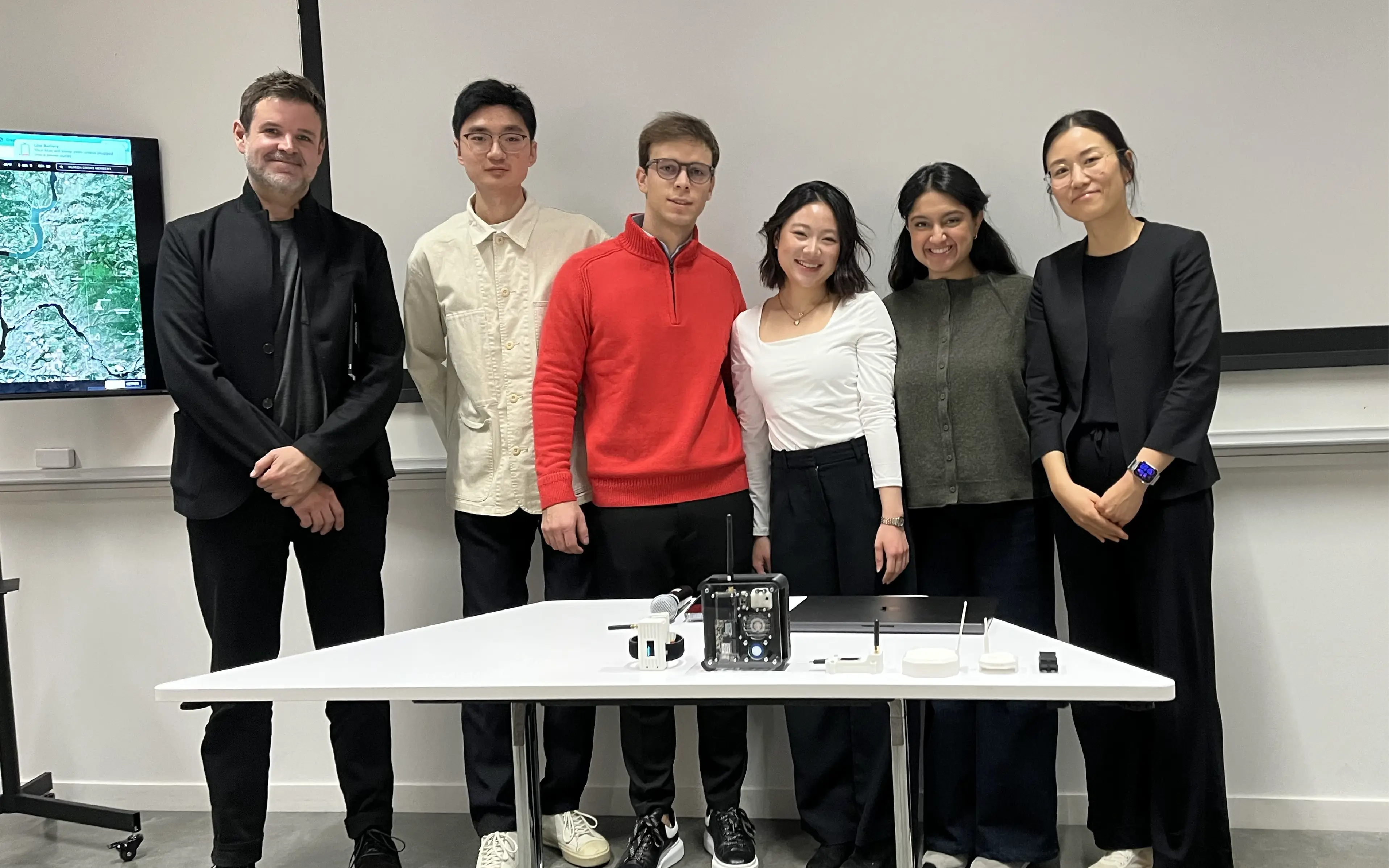
We presented our product ecosystem at Harvard University, sharing our design process and product with faculty and guest critiques.
firefighters by enabling early detection of heat stress, smoke exposure, and physical fatigue before conditions become critical.
collectivedecision-making by giving commanders a real-time, unified view of both crew health and wildfire behavior.
human and environmental data into one system, creating a clearer understanding of how conditions impact crews on the fireline.
Firefighters need instant, glanceable signals. Commanders require layered, analytical views to make informed decisions.
Taught me to think beyond wearable hardware into a shared decision-making ecosystem.
The hardest challenge was deciding which information truly matters in high-pressure environments for two user groups.
Environmental and biometric data must be simplified without losing meaning, accuracy, or trust.