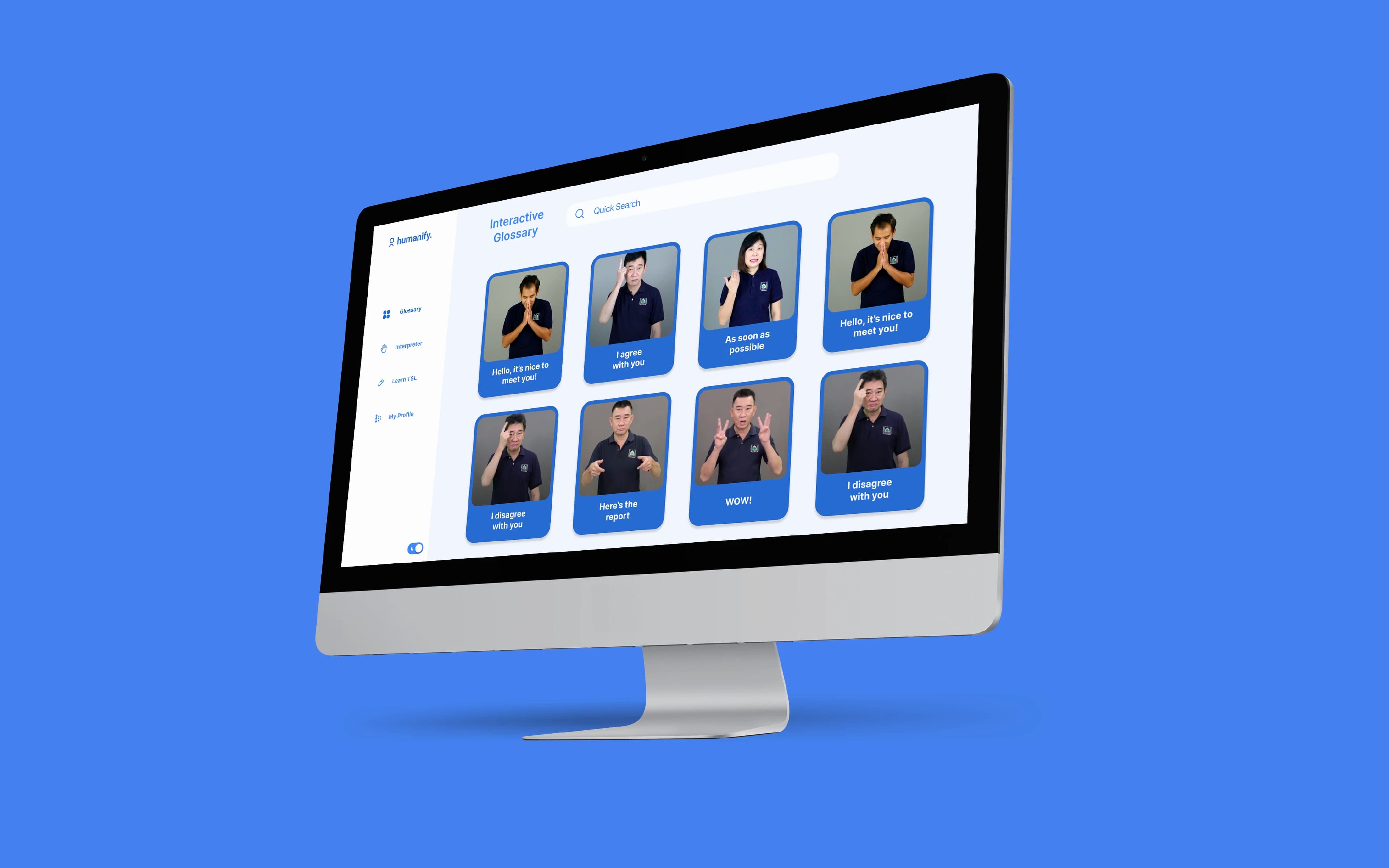
Humanify
Real-time computer vision tool that translates Thai Sign Language into text for Deaf and hearing coworkers.
Overview
Humanify is a real-time computer vision tool that translates Thai Sign Language (TSL) into written text through machine learning, designed to bridge communication gaps between Deaf and hearing individuals in the workforce.
Problem
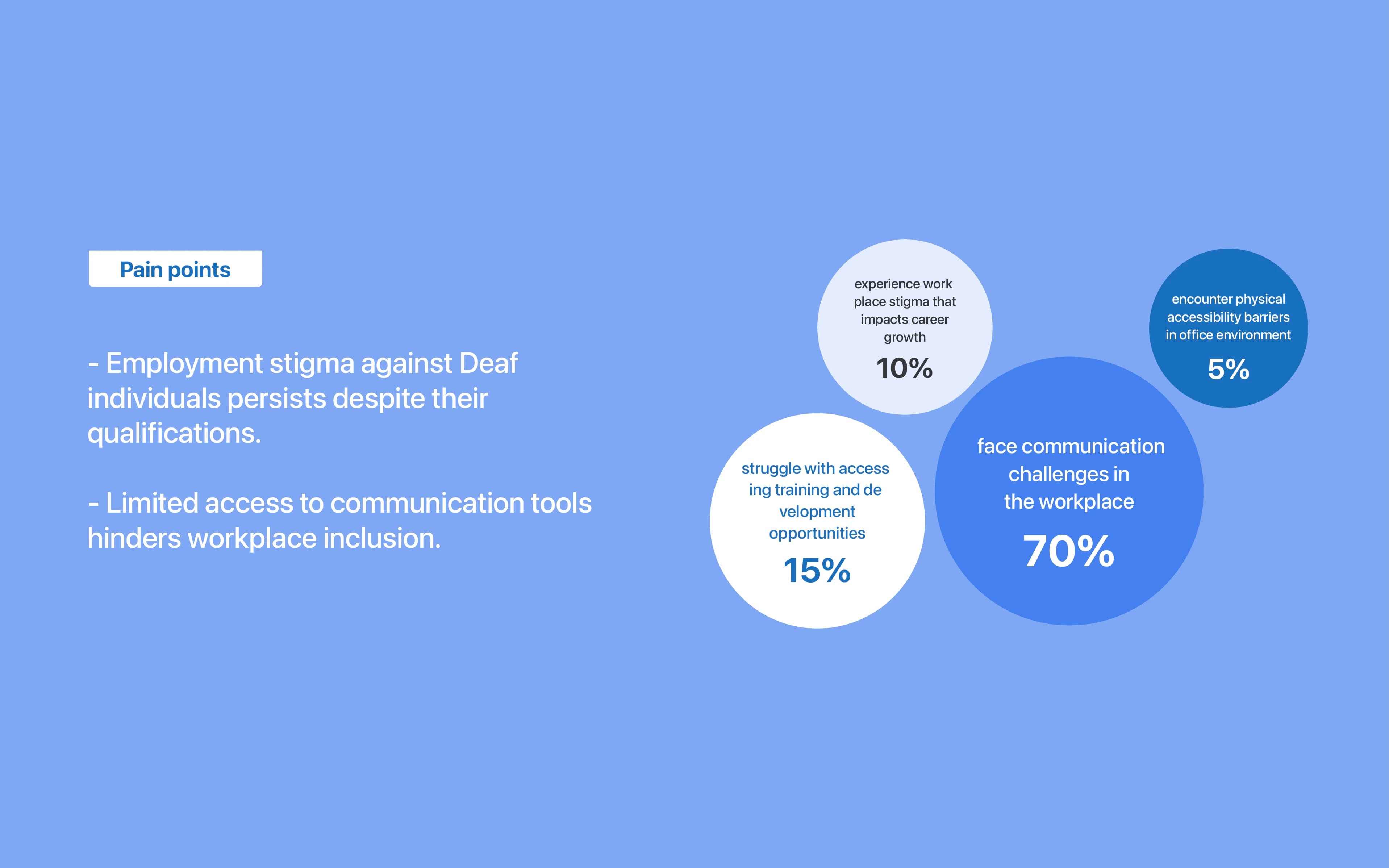
Fewer than 0.01% of companies in Thailand employ Deaf individuals, largely due to stigma and systemic communication barriers. These barriers don’t just limit employment; they also trigger a cascade of social and economic inequalities that affect long-term independence and inclusion.
Our solution
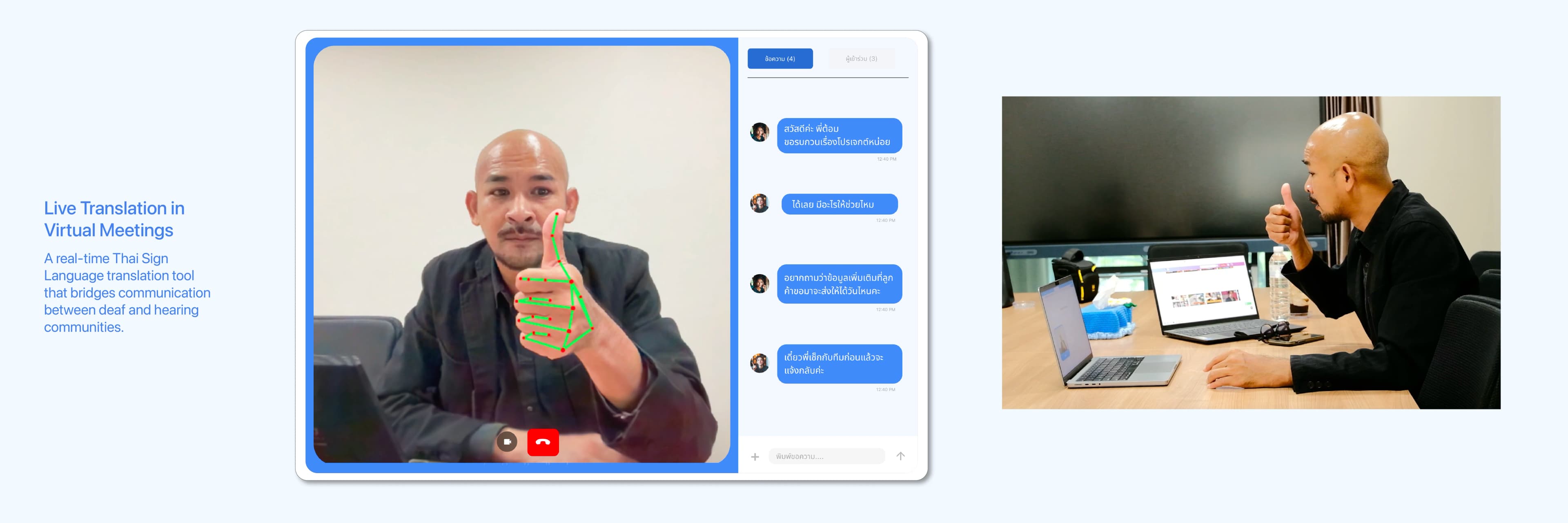
A real-time computer vision tool that translates Thai Sign Language (TSL) into text, enabling seamless communication between Deaf and hearing individuals in the workplace.
Final Design
Problem
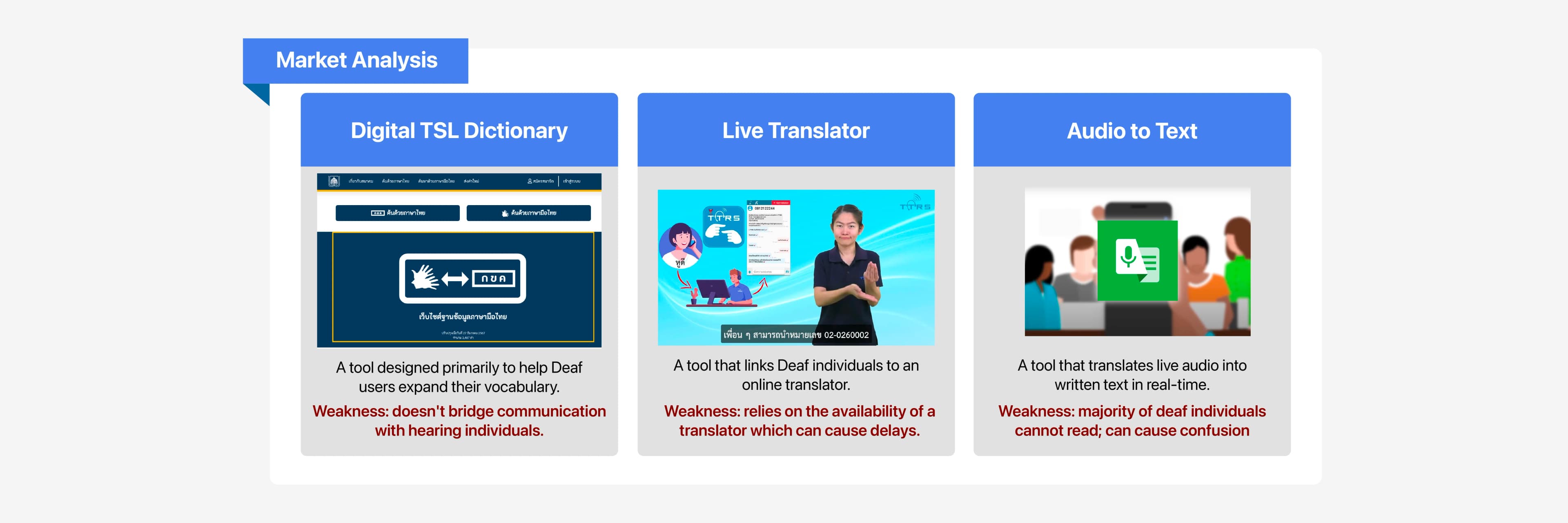
Current solutions are limited by reliance on translators and lack the ability to bridge communication gaps with hearing individuals.
This gap reveals a critical opportunity to create tools that bridge communication between Deaf and hearing individuals, enabling equal access to employment and more inclusive opportunities across Thailand.
Speaking with the Community
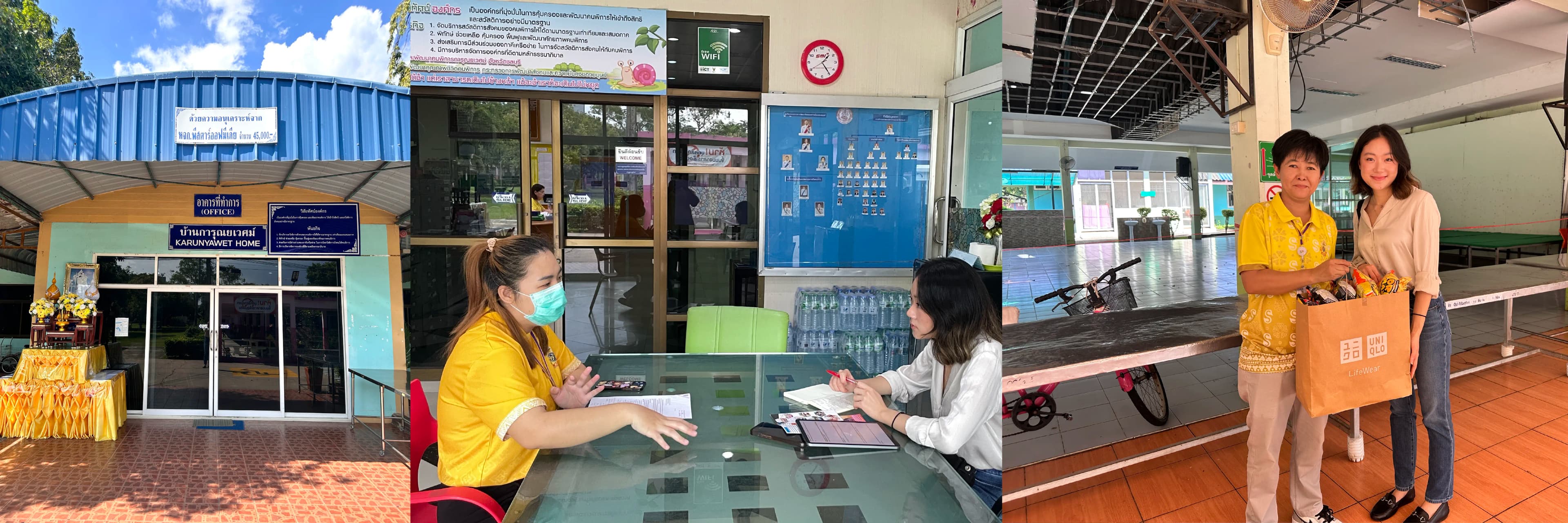
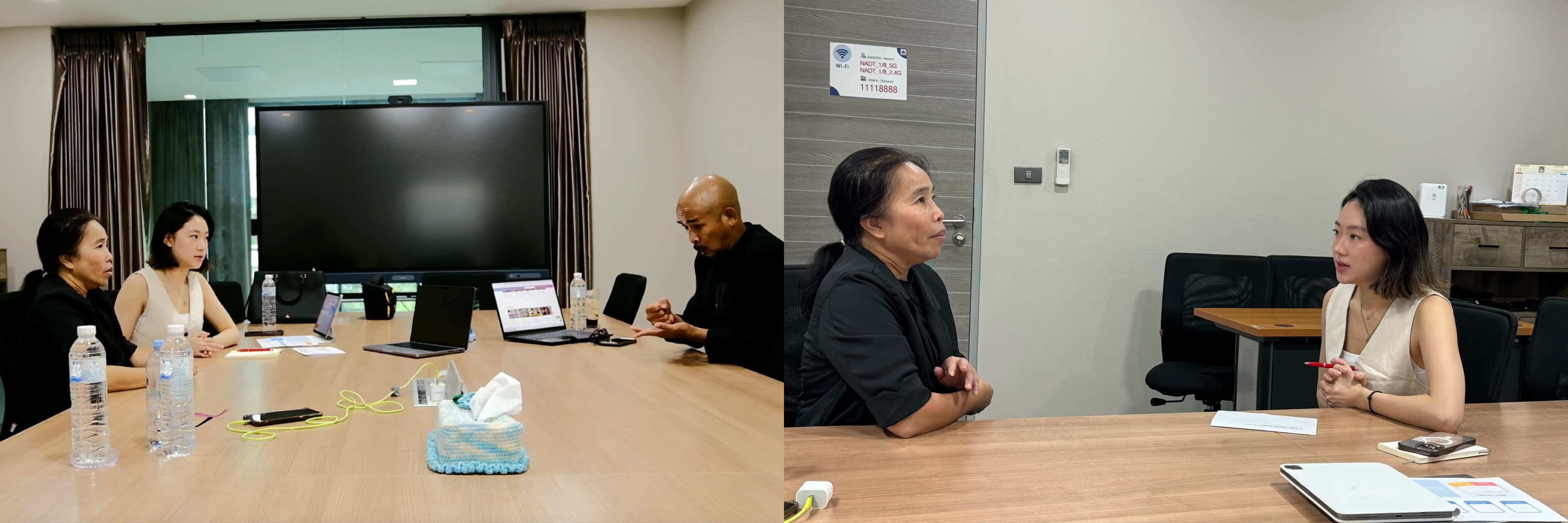
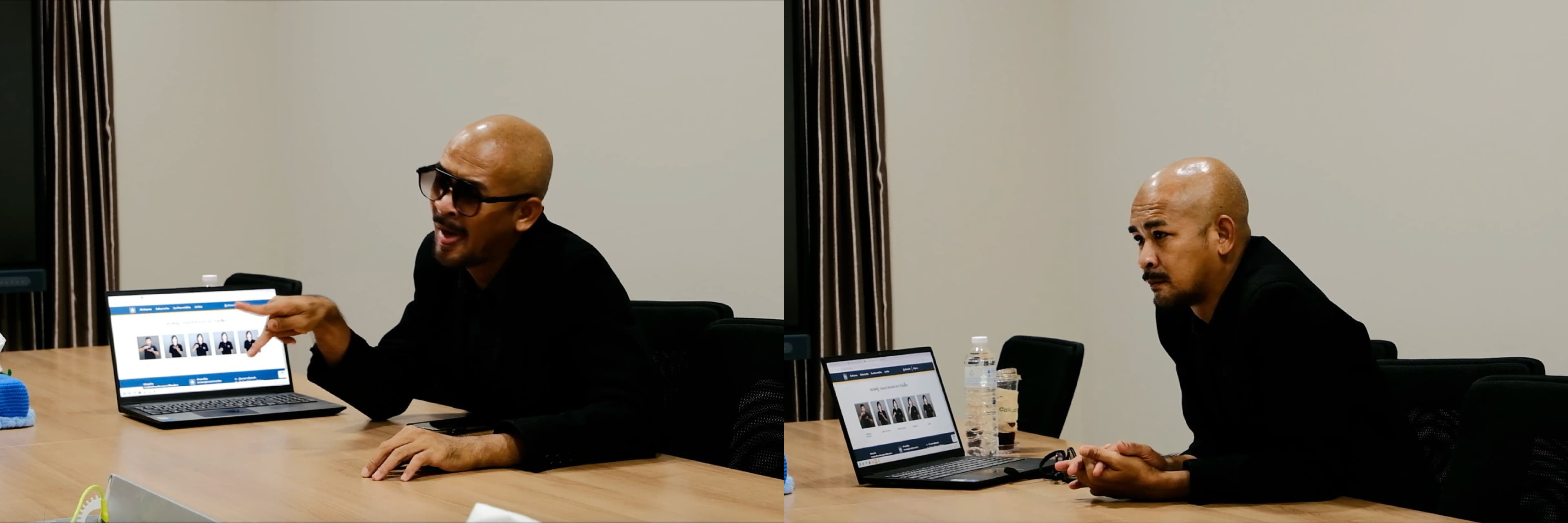
I conducted field visits with Deaf communities at the Kanyawet Foundation, interviewing both Deaf individuals and interpreters to hear their experiences firsthand.
Through these conversations, I also connected with community members who had been forced to work fully remote. This is not by choice, but due to a lack of accessible in-person resources.
Insights
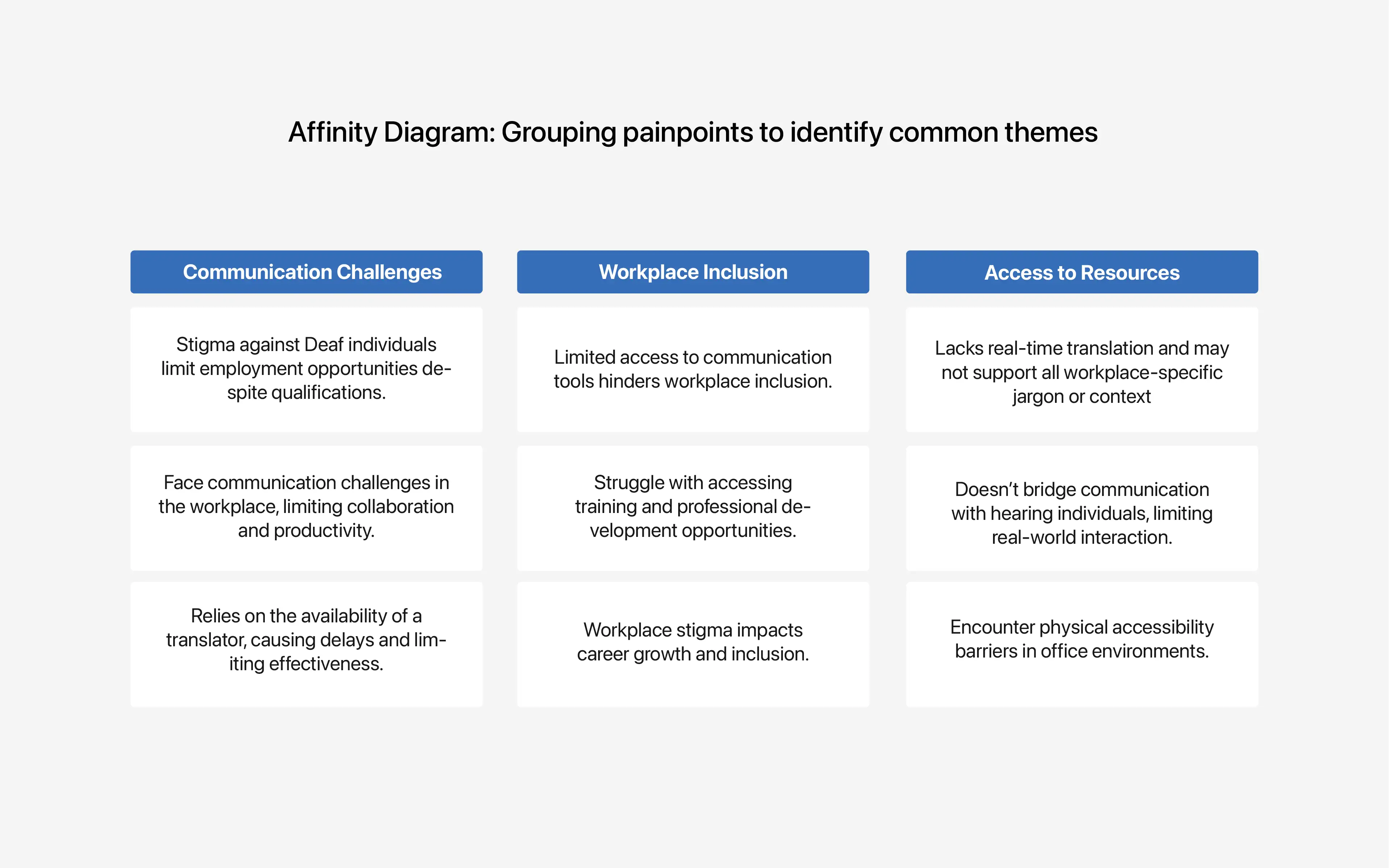
Communication depends on interpreters
Both Deaf employees and hearing coworkers rely heavily on third-party interpreters, making everyday workplace communication difficult.
Deaf employees feel excluded
Many reported being underestimated, excluded from informal conversations, and left out of meetings conducted only in spoken Thai.
Barriers affect employment opportunities
Some employers perceive Deaf employees as difficult to accommodate, leading to fewer hiring opportunities and limited career growth.
Problem statement
How might we bridge the communication gap between Deaf and hearing individuals in the workplace?
Ideation
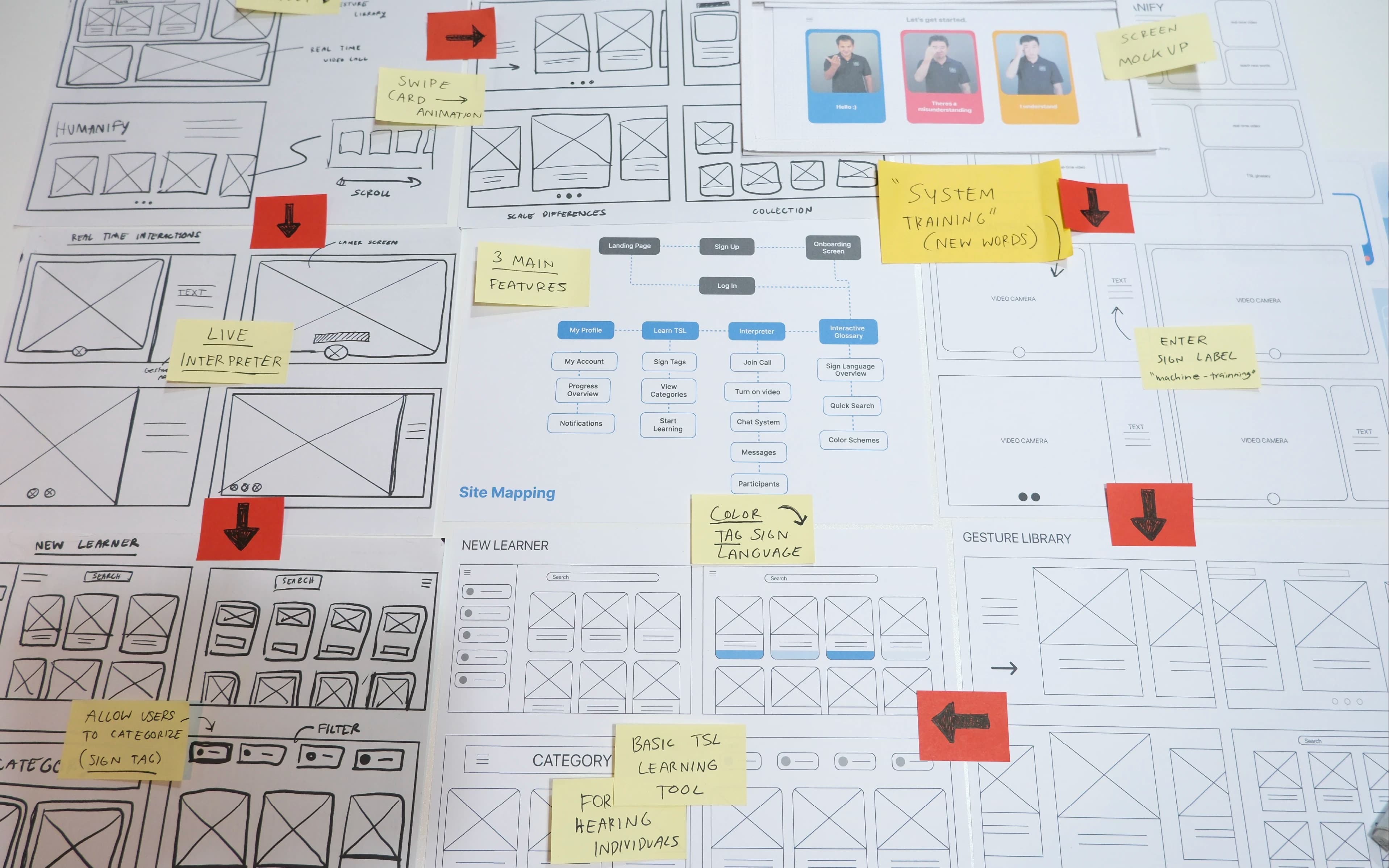
I began the brainstorming process byframing this as a tool that supports, and not replace human interpreters, working as a supplement to existing workplace communication methods.
Low Fidelity Prototype
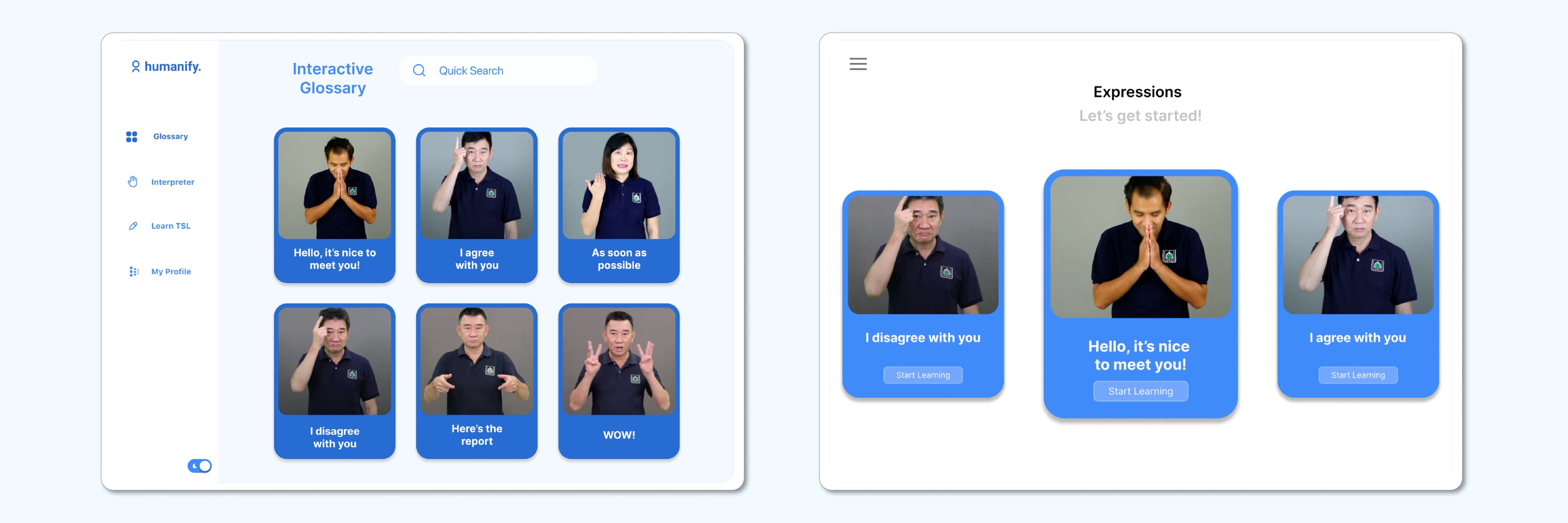
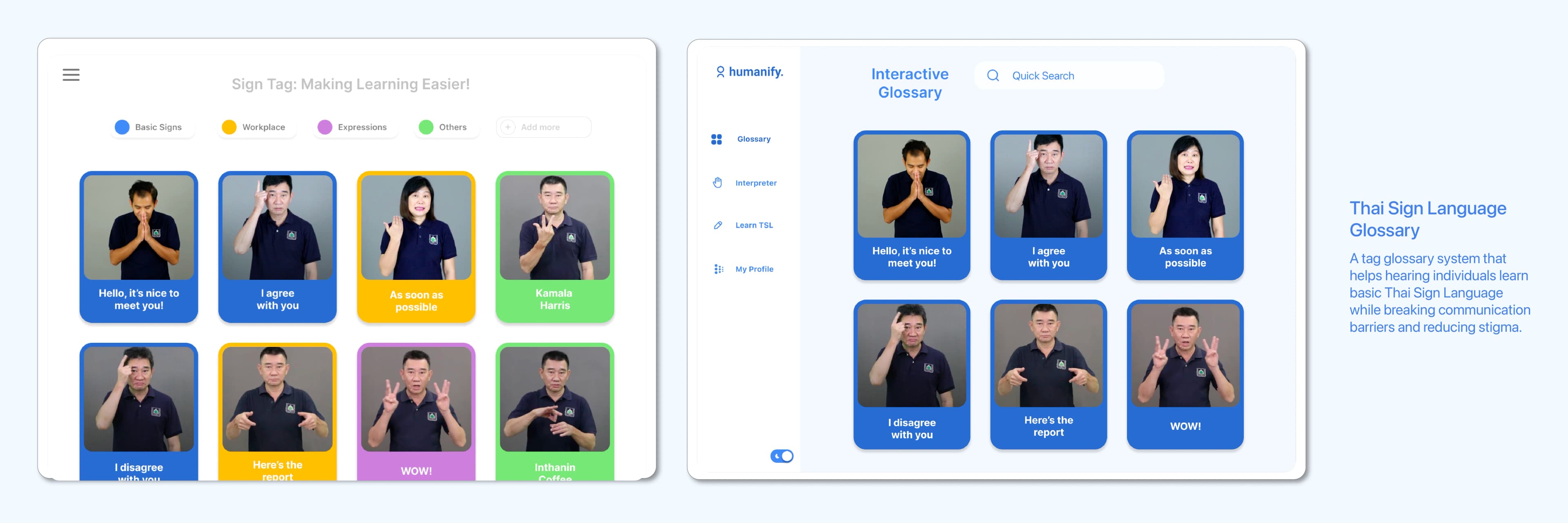
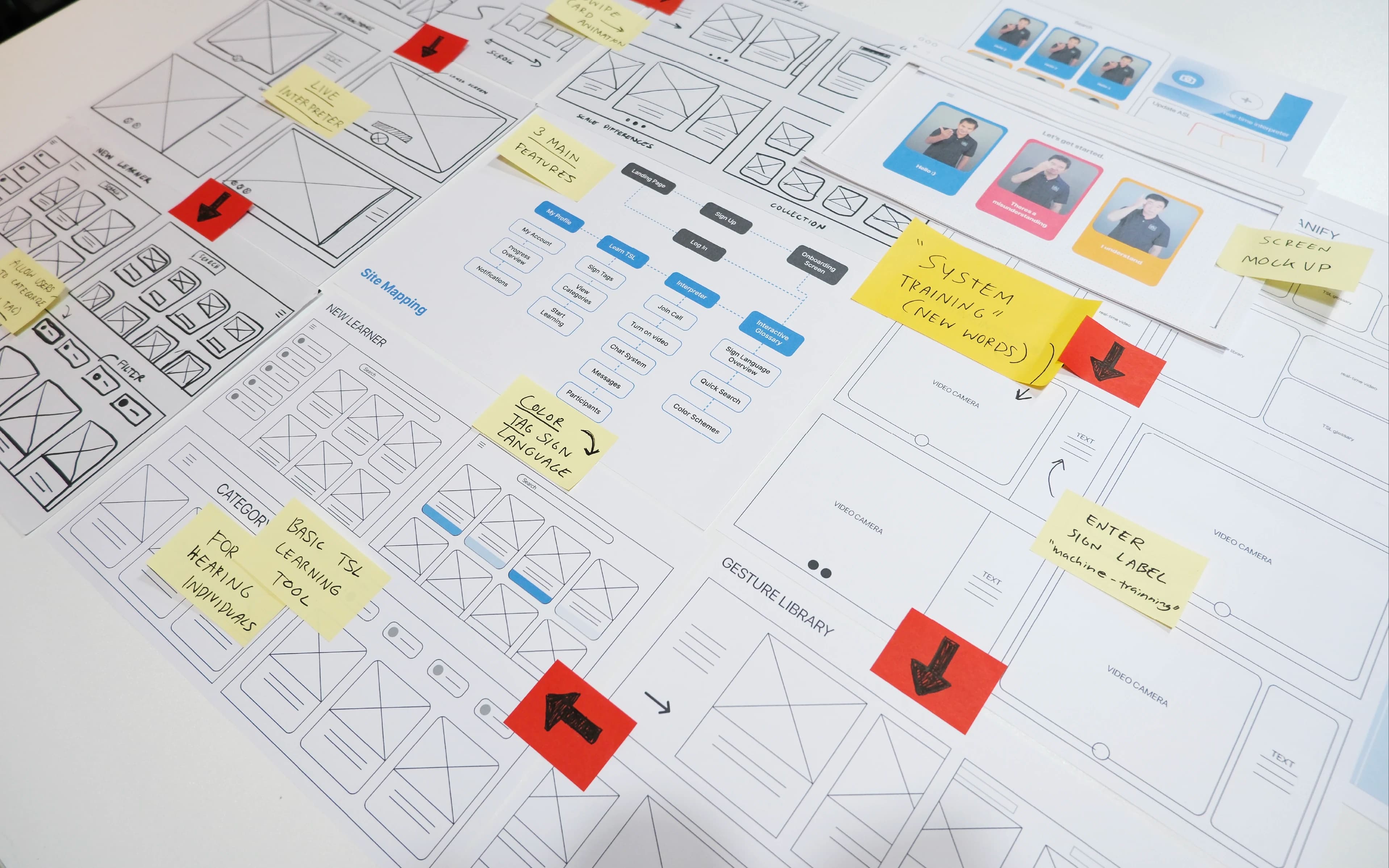
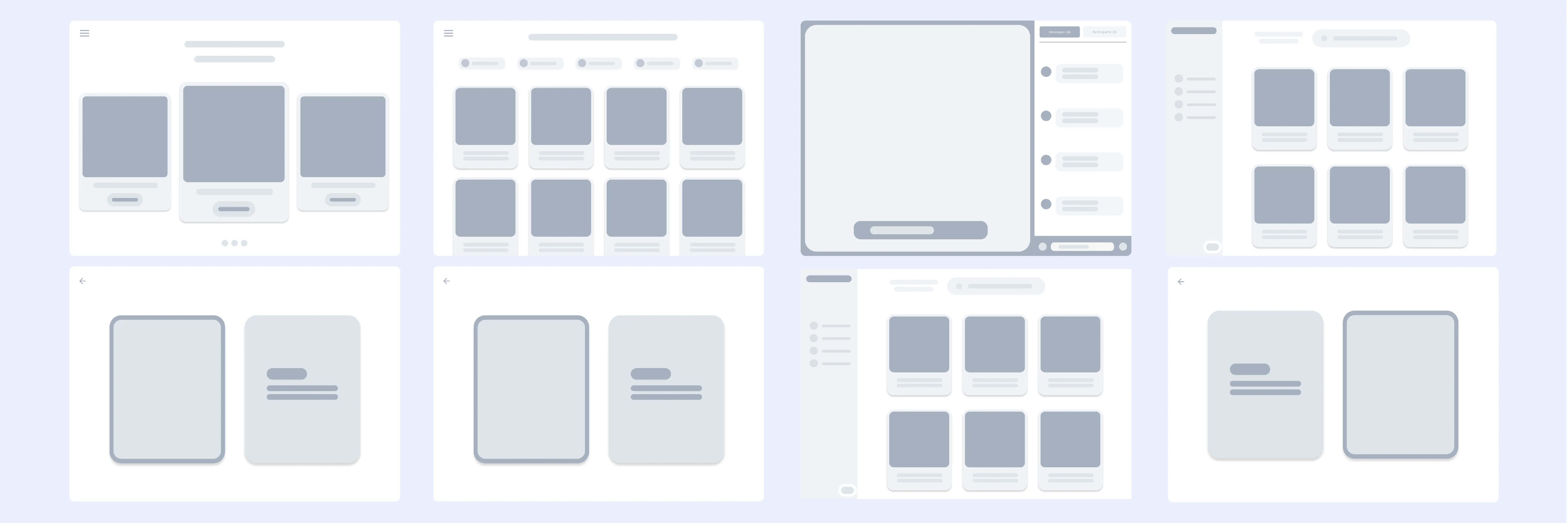
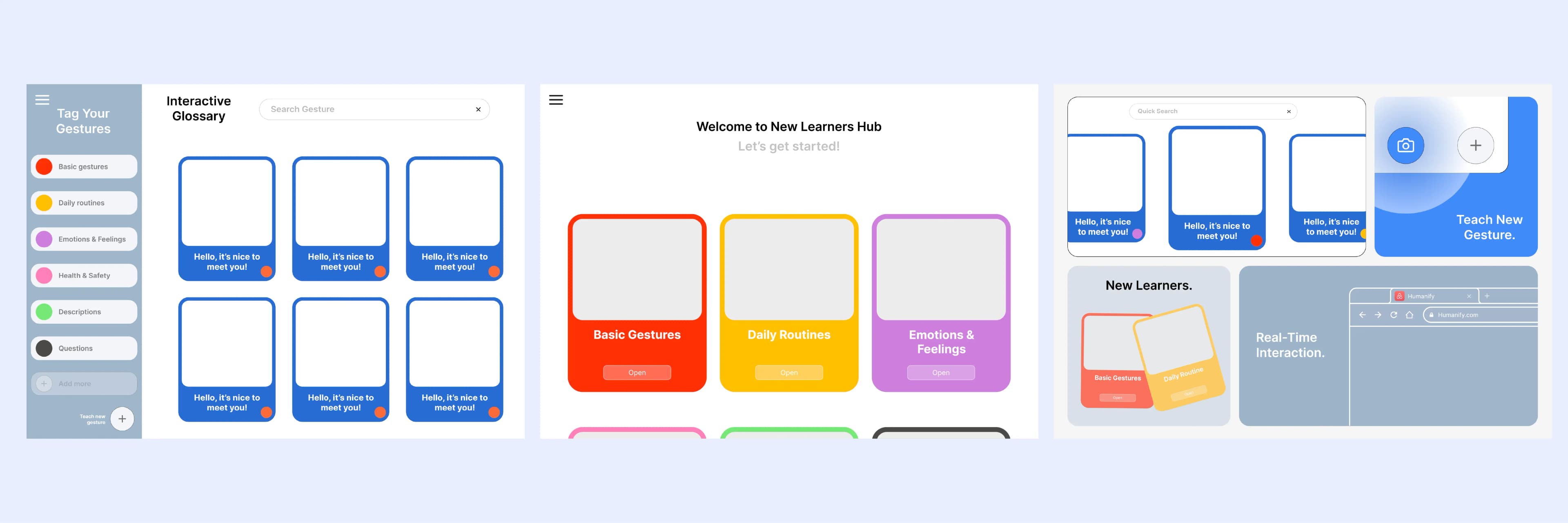
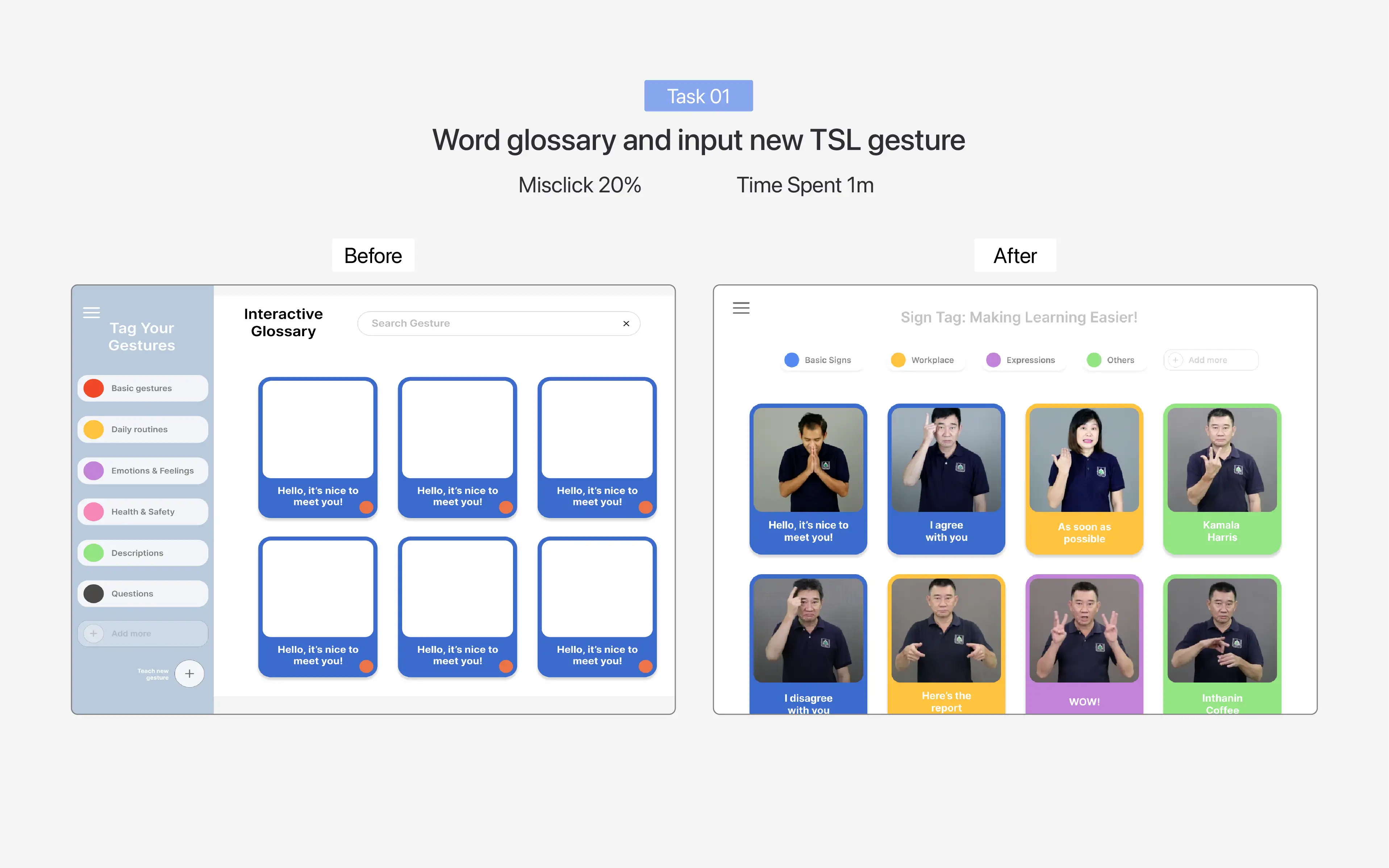
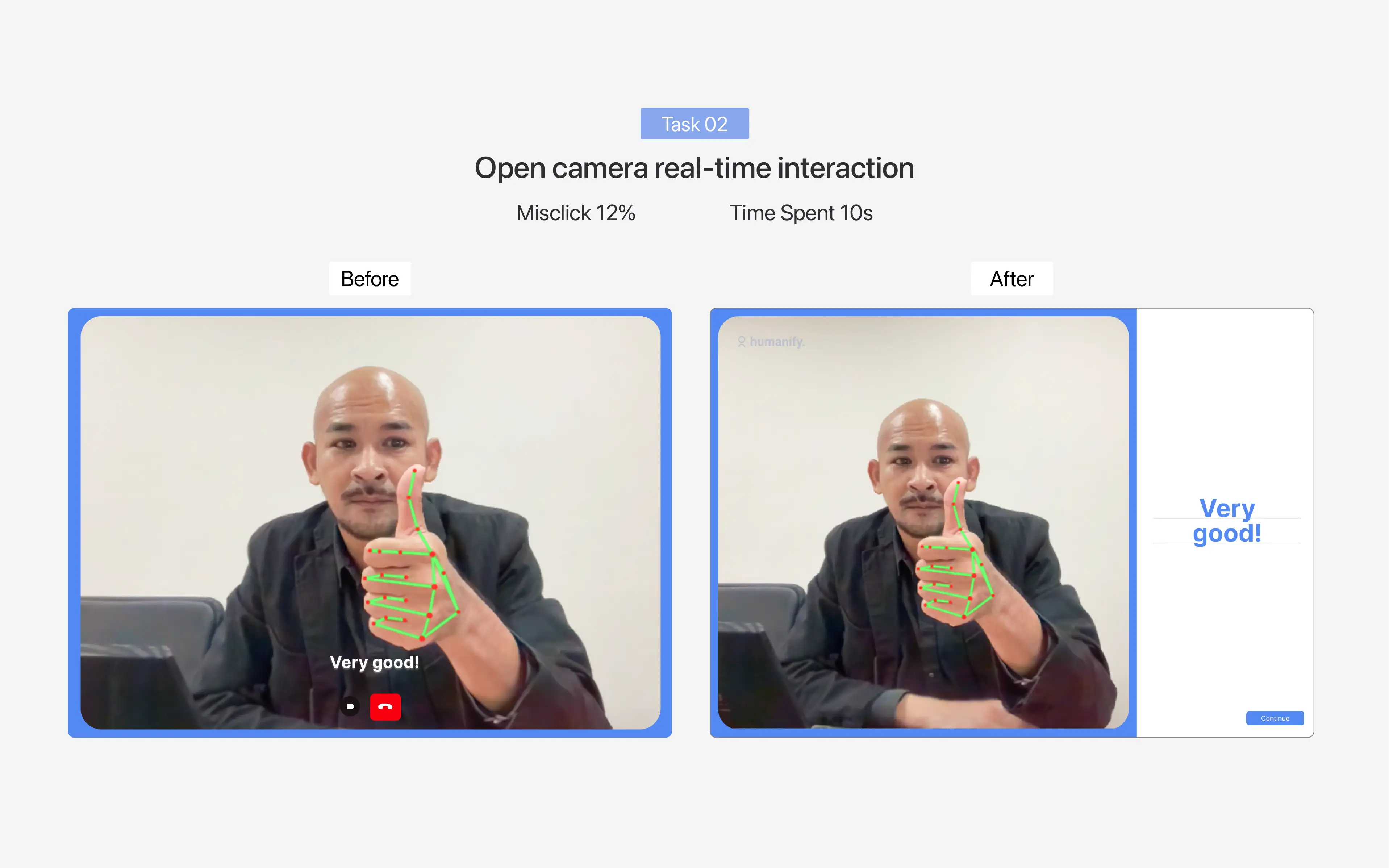
I prototyped different interaction methods, including a word glossary and a camera-based interaction.
Implementing Computer Vision
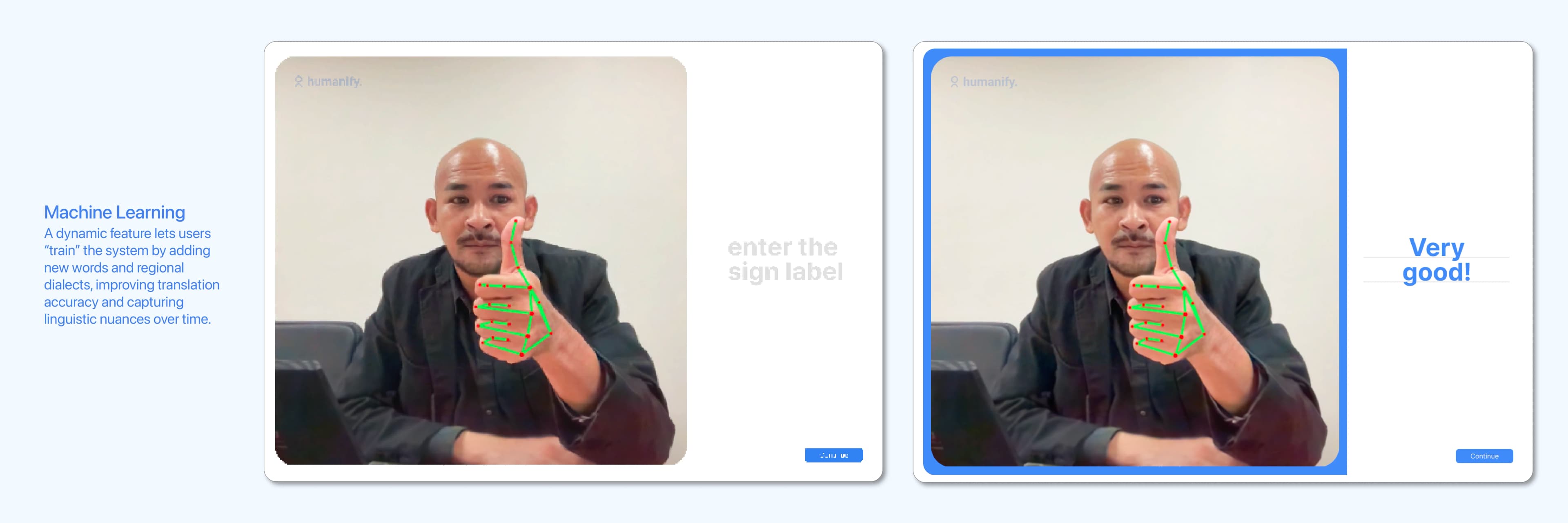
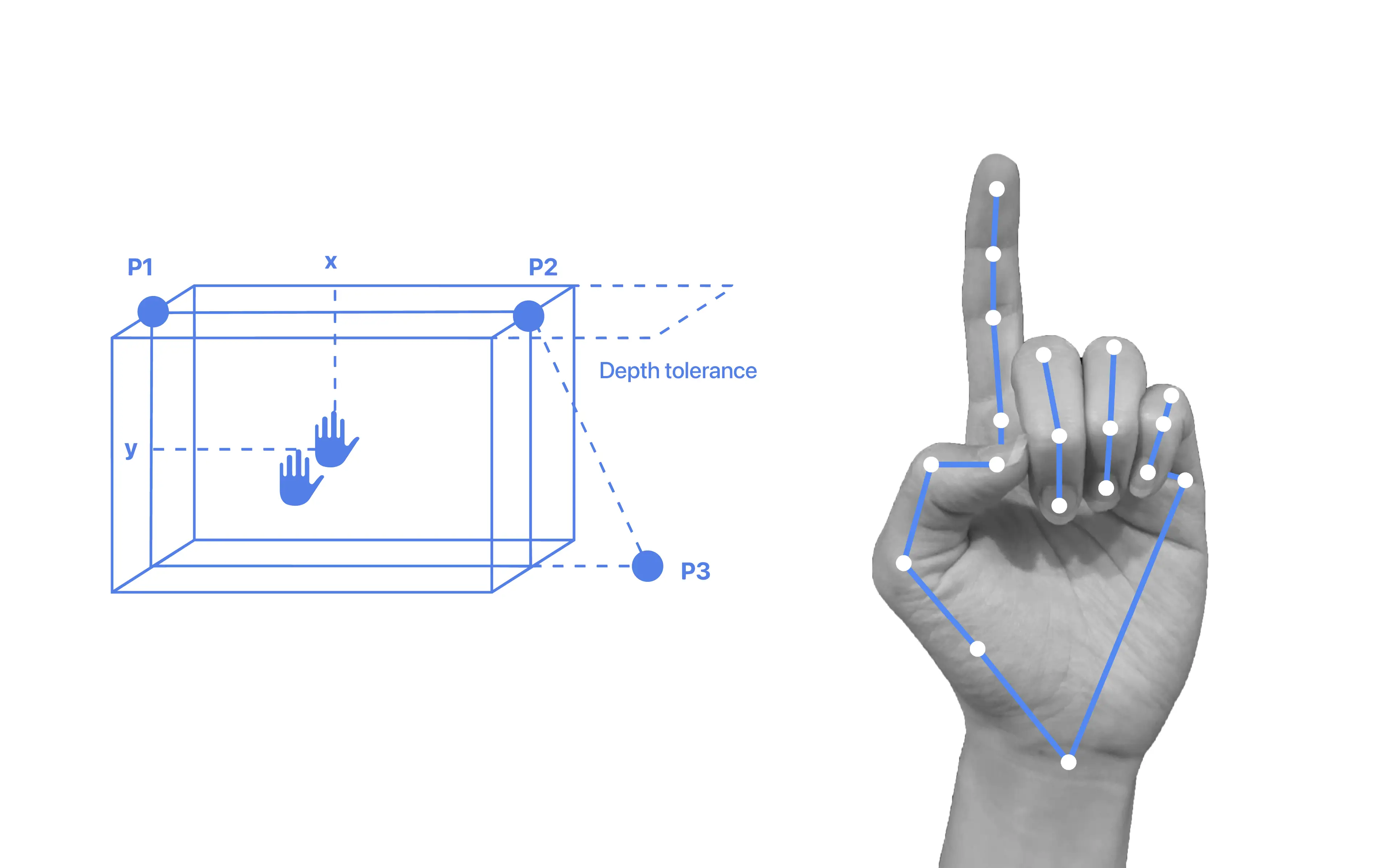
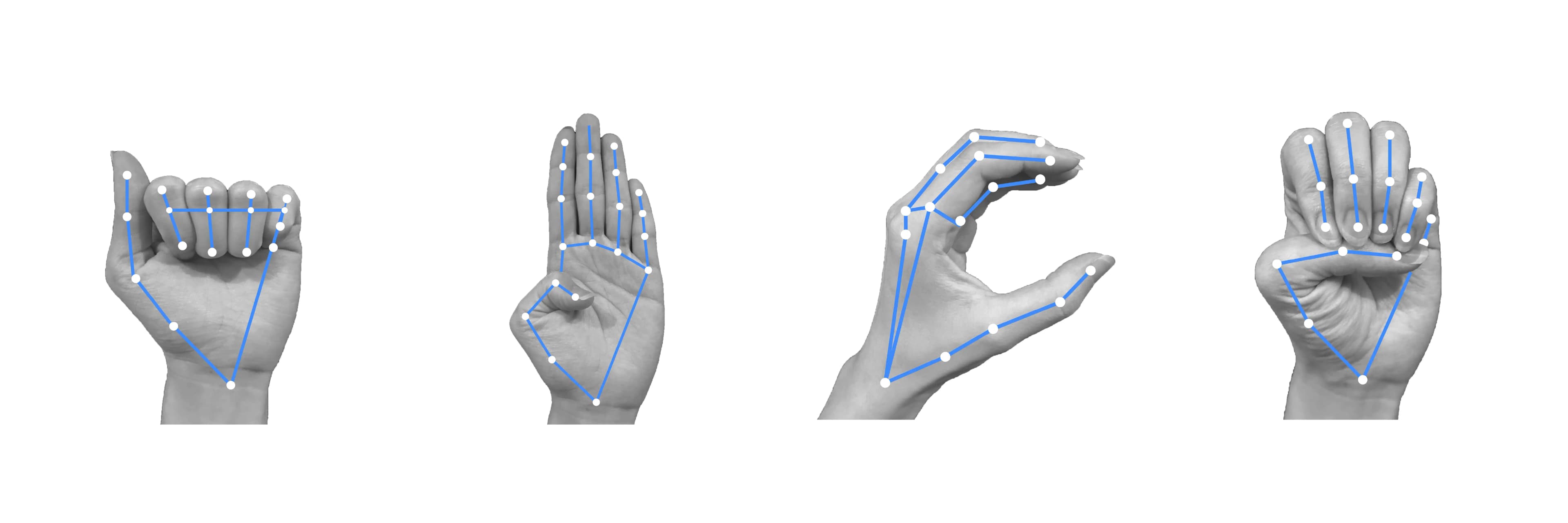
MediaPipe tracks 21 hand landmarks in real time, flattening 3D hand gestures onto a 2D grid, capturing each gesture shape and matching it against the TSL Library to label it as a word.
This transformed Humanify from a static lookup tool into a live communication layer and eliminates the lag that breaks natural conversation.
User Testing
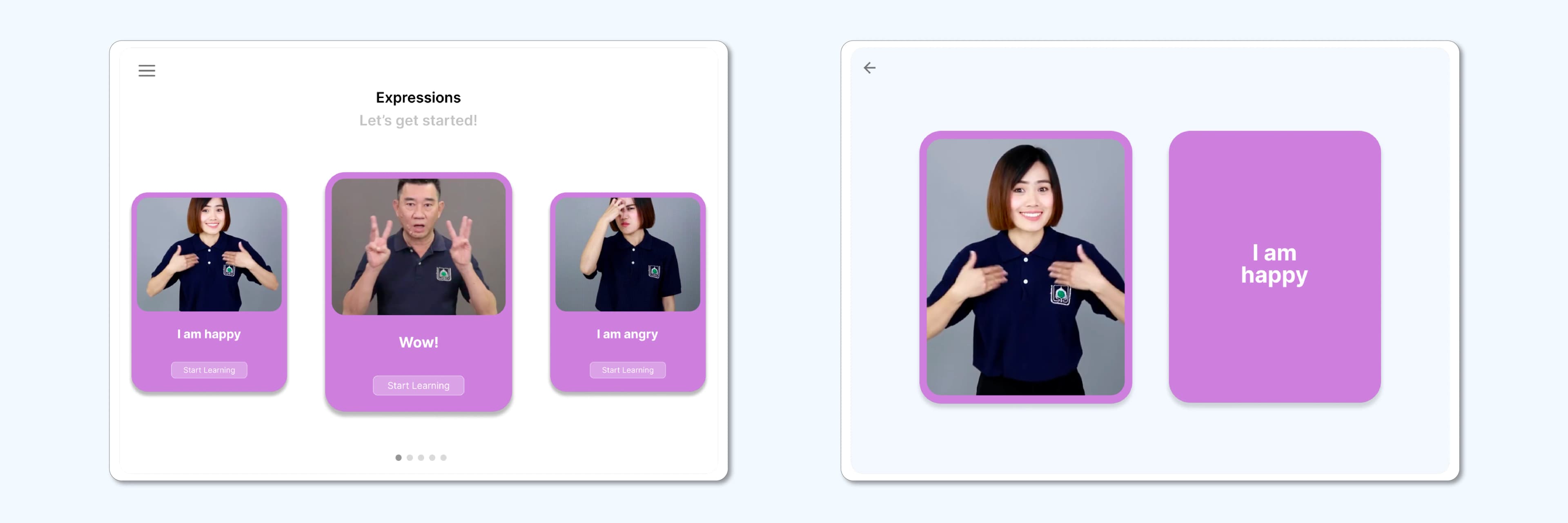
I tested two main features for two different user segments: the adaptive learning system for Deaf users and the computer vision component for hearing coworkers.
Pitch to Deaf Foundation of Thailand
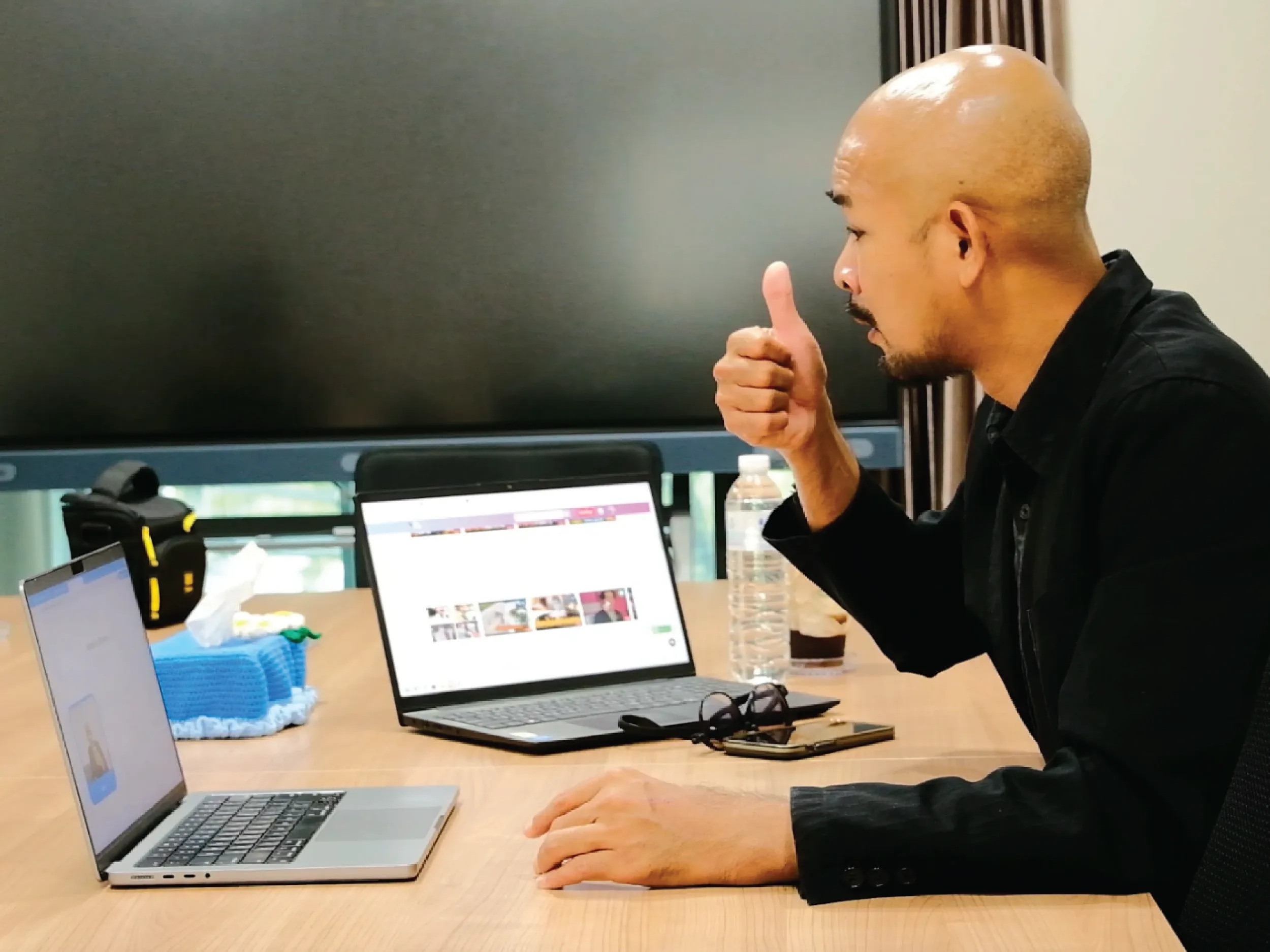
To move Humanify toward real-world implementation, I pitched the project to the Deaf Foundation of Thailand — the organization behind many of Thailand's accessibility policies.
The Foundation validated our approach and offered access to their library of pre-recorded hand gestures to train and expand our ML model.
Project Impact
Enable
more and real-time workplace communication between Deaf and hearing coworkers.
Reduce
dependency on third-party interpreters for the everyday conversations that build workplace relationships.
Support
workplaces where Deaf employees can participate fully.
What I learned
Co-designing with the community
Designing for a community means nothing without designing with them first.
Accessibility isn't just about building something new
It's about integrating into what already exists while quietly removing systemic barriers.
The goal is not to create a perfect translation.
but toremove enough friction that promotes psychological safety.
Prioritizing the right data
Working with real gesture data from the Deaf Foundation of Thailand taught me that data collection is just as important as the design itself.